

How to Get Preapproved for a Home Loan: A Step-by-Step Guide
October 22, 2026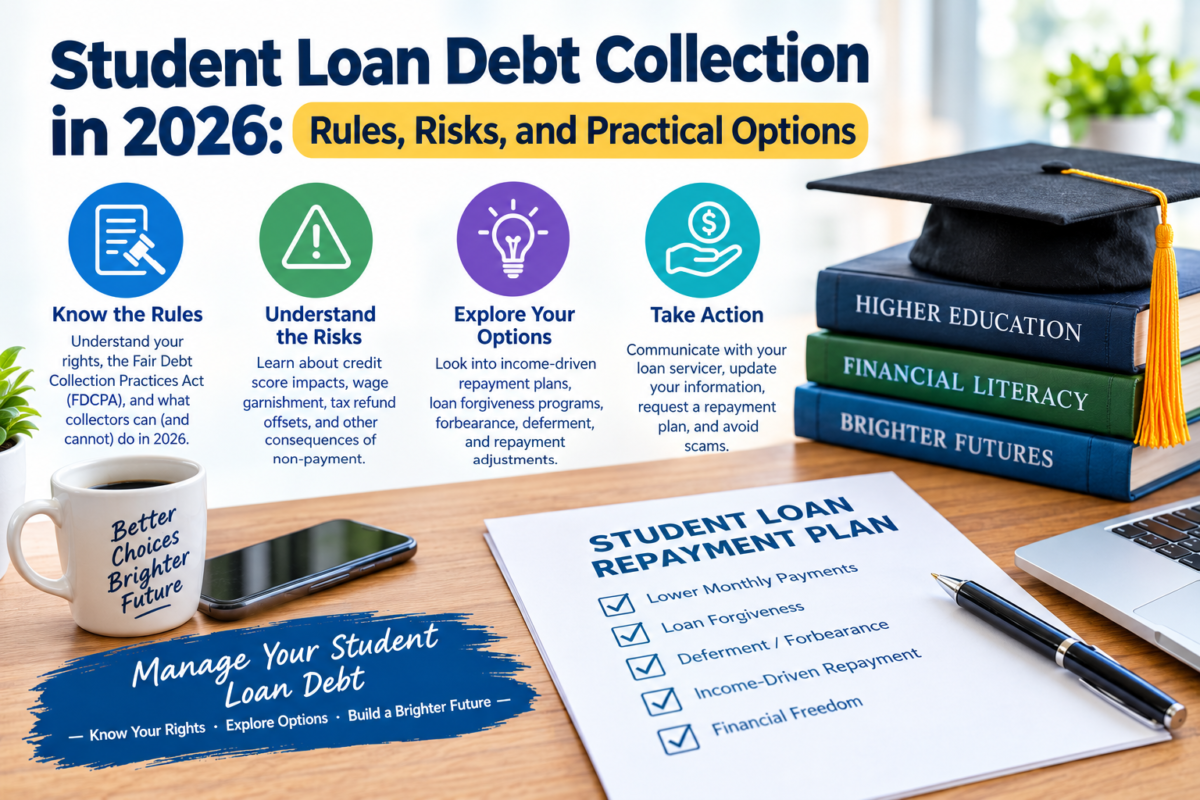
Student loan debt collection in 2026 depends first on whether a loan is federal or private. Federal student loans are made or backed by the U.S. government and are subject to federal statutes, regulations, and repayment programs. If a federal loan becomes delinquent or defaults, the Department of Education or a contracted servicer may contact the borrower, and additional federal collection tools may apply. These can include consequences such as wage garnishment or the withholding of certain federal payments, subject to applicable rules and procedures.
Private student loans are issued by banks, credit unions, or other lenders. Their collection generally follows the loan agreement and applicable state and federal consumer-protection laws. A private lender or collection agency may seek repayment and, in some circumstances, file a lawsuit. Unlike the federal government, a private creditor typically must obtain a court judgment before using many forms of involuntary collection, such as wage garnishment; rules vary by state. Rights, deadlines, and available defenses can depend on the loan terms and the borrower’s location.
Collection policies, repayment programs, and legal requirements can change, so information found online may not reflect the rules currently in effect. Borrowers should verify federal loan status and options through official Department of Education resources and their loan servicer, and review private-loan questions with the lender or a qualified legal adviser. When a notice arrives, check who sent it, confirm the balance and loan type, and note any response or appeal deadlines. Promptly contacting the servicer or lender can help clarify the account and identify possible next steps.
The central issues are delinquency, default, collection activity, and the routes available to bring a loan current or resolve it. Depending on eligibility and current program rules, federal borrowers may be able to consider repayment plans, deferment or forbearance, or default-resolution options such as rehabilitation or consolidation. Private borrowers may ask about hardship arrangements or negotiate directly, while recognizing that options differ among lenders. Understanding which system applies is essential: it shapes the collection authority involved, the protections available, and the practical steps a borrower can take before a situation escalates.
A missed payment does not usually place a student loan in default immediately. A loan generally becomes delinquent the day after a scheduled payment is missed, and it remains delinquent while required payments are unpaid. The length of this stage matters: it can affect credit reporting, fees, and the options available to bring the account current. For federal loans, the servicer may contact the borrower and provide information about repayment plans or deferment and forbearance eligibility. Ignoring notices can make it harder to understand the account’s status or address a payment problem before it escalates.
For most federal Direct Loans, default generally occurs after 270 days of missed payments when payments are due monthly. That rule is a useful guide, not a universal timeline for every education loan. Federal loan types and repayment arrangements can have different payment schedules, and special circumstances may affect how delinquency is handled. Private student loans are governed by their promissory notes and applicable state law. A contract may define default based on a specified period of nonpayment or other events, so a private loan may default sooner or later than a federal loan. Check the loan documents and notices rather than relying on a general estimate.
As an account becomes seriously delinquent or enters default, consequences may include credit reporting, referral to a collection agency, and additional collection costs where permitted. A creditor may also demand the entire outstanding balance if the loan terms allow acceleration. Federal default can lead to further collection actions under applicable rules. These outcomes can affect finances and credit for years, but the timing and procedures vary by loan type, contract, and law. In student loan debt collection 2026, borrowers should identify whether each loan is federal or private, confirm the current status with the servicer or lender, and review written notices promptly. Do not assume every loan follows the same schedule or that one loan’s default date applies to another.
Several different organizations may contact you about student debt, and the caller’s role can affect what rules apply. For federal loans, a loan servicer may discuss billing, repayment plans, or delinquency, while a guaranty agency may become involved with certain older Federal Family Education Loan Program loans. The U.S. Department of Education and contractors working on its behalf may contact borrowers about defaulted federal loans, payment arrangements, or other resolution options. For private student loans, the lender, a company servicing the account, or a third-party collection agency may reach out. Ask who owns or holds the debt, who the caller represents, and how to verify the account through an independently confirmed contact channel.
Collection conduct is subject to legal limits, but the applicable protections depend on the loan and the organization contacting you. The Fair Debt Collection Practices Act generally restricts covered third-party debt collectors from using false or misleading statements, threatening actions they cannot legally take, or engaging in abusive or harassing conduct. It also limits certain communications with other people about a debt, subject to exceptions, such as obtaining location information. The law does not apply in the same way to every creditor or government collection activity, and other federal or state requirements may be relevant. A collector’s status, the account’s history, and whether the loan is federal or private can all matter, so avoid assuming that one procedure applies to every case.
Keep a careful record whenever anyone contacts you about student loan debt collection 2026. Write down the date and time, the caller’s name and organization, telephone number or mailing address, and any account or reference number provided. Note what the person said, including payment demands, deadlines, claimed consequences, and any options discussed. Save letters, emails, voicemails, and screenshots, and record follow-up commitments or disputes you make. These notes can help you compare information across contacts, identify inconsistencies, and explain the situation if you seek help from your servicer, a government agency, a legal aid organization, or a consumer protection office. Before sharing sensitive information or making a payment, verify the organization and the available account details.
When a federal student loan is in default, collection options may include administrative wage garnishment or the offset of certain federal payments, if applicable law and current policy authorize those actions. Administrative wage garnishment can allow a portion of a borrower’s wages to be withheld without a court judgment, while an offset may redirect an eligible federal payment toward the debt. These tools are not automatic in every case, and protections, limits, and eligibility rules may apply. The rules for student loan debt collection in 2026 can also change, so borrowers should confirm what is currently permitted rather than rely on general descriptions.
Before an administrative action takes effect, the borrower may be entitled to notice and an opportunity to respond. The notice should identify the debt and proposed collection action, explain how to obtain relevant records, and state any deadline and procedure for objecting or requesting a hearing. The precise process may differ depending on the collection method and the borrower’s circumstances. For example, the amount owed, loan status, payment source, and any applicable exemptions or prior decisions can affect whether an action is available and how it operates. A notice does not necessarily mean that a deduction or offset has already occurred.
Borrowers should read every notice promptly, keep copies, and verify the sender and account information through an official channel. Missing a response deadline may limit the opportunity to challenge the debt or the proposed action. If the borrower disputes the balance, believes the loan is not theirs, or seeks review of the proposed amount, they should use the contact method and instructions stated in the notice, request records where appropriate, and ask for a hearing if one is available. Because timing and procedures depend on current policy and individual facts, borrowers may also wish to seek qualified legal or financial guidance. Taking these steps early can help clarify options and preserve procedural rights.
Private student loan collection in 2026 generally follows ordinary debt-collection and contract rules, rather than the federal government’s administrative collection system. A private lender or a company that bought the account may contact a borrower to request payment, subject to applicable federal and state consumer-protection laws. Private collectors generally cannot use federal tax-refund offsets or administrative wage garnishment available for certain federal loans. They may send notices, discuss repayment, or refer an account for legal action. The options available depend on the loan agreement, account ownership, and relevant law.
A lender or debt buyer may file a lawsuit when it believes repayment is owed. If the borrower does not respond, the court may enter a default judgment, which can give the creditor additional collection options. Wage garnishment or restraint of funds in a bank account generally requires the applicable legal process, often following a judgment, and is subject to state law. Exemptions may protect some income or funds, and procedures differ by location. A collection letter alone does not mean that wages or a bank account can immediately be seized.
Anyone served with a summons should note the response deadline and act promptly; ignoring court papers can limit the opportunity to dispute the claim. Check whether the named creditor owns the loan and whether the balance, interest, fees, and payment history are accurate. Keep copies of notices and records, and request documentation where appropriate. If a lawsuit has been filed, local legal aid or a consumer-law attorney can explain deadlines, defenses, and state-specific procedures. Advice is particularly important before agreeing to a payment plan or making a payment if ownership, the amount, or the legal status of the debt is uncertain.
Before paying or agreeing to a plan, establish what kind of student loan is involved. Check whether it is a federal or private loan, and identify the current servicer and, where applicable, the loan owner. Compare the amount claimed with your account records, including principal, interest, collection costs, and any fees. Review the payment history for payments that may not have been credited, and note dates when the balance or account status changed. These steps are especially useful when a student loan debt collection 2026 notice arrives unexpectedly or information differs from what you recall.
Verify the notice itself rather than relying on the contact details it provides. Sign in by navigating independently to the official account website, or use a phone number from a trusted statement or government source. Ask the servicer to confirm the loan, balance, payment history, and any transfer to a collector. Review official account records and request written information about the debt if details remain unclear. Keep copies of notices, statements, and correspondence, and record the date, name, and department for each call. If the collector’s identity or authority is uncertain, pause before discussing account specifics or making a payment.
Be alert to pressure tactics. A demand for an urgent upfront fee to prevent arrest, wage seizure, or immediate loss of benefits can signal a scam; do not pay through unusual methods such as gift cards, cryptocurrency, or wire transfers. Never provide account passwords, one-time security codes, or sensitive payment details to an unsolicited caller. Be cautious of anyone promising guaranteed forgiveness or claiming they can erase a legitimate loan for a fee. Do not share personal information until you have independently confirmed both the caller and the debt. If you suspect impersonation, end the conversation and contact your verified servicer directly. A careful check can help protect your money and personal data while ensuring a valid collection matter receives attention.
For borrowers facing student loan debt collection in 2026, federal loan default may be resolved through several routes, but no single option suits everyone. The appropriate choice depends on loan type, income, payment history, and goals such as restoring eligibility for federal student aid. Before choosing, identify the loans and their current status through the Department of Education’s official account tools or a verified loan servicer.
Loan rehabilitation generally requires a series of agreed, affordable payments made on time. After successful completion, the default may be removed from the borrower’s credit history, although earlier late-payment information can remain. Rehabilitation is typically available only once for a given loan, and collection activity may continue until the required terms are met. Ask the holder to explain the payment calculation and the timing of any change in collection status.
Consolidation may replace eligible defaulted federal loans with a new Direct Consolidation Loan. It can end default status sooner than rehabilitation in some circumstances, but borrowers usually must meet specific conditions, such as making qualifying payments or agreeing to repay under an eligible plan. Consolidation can affect interest costs and repayment history, and it does not erase accurate prior credit reporting. Confirm which loans can be included and whether consolidation affects access to other benefits.
Repayment arrangements may also be available, including income-driven repayment plans for eligible loans. These plans can set payments based on income and family size, but eligibility, payment amounts, interest treatment, and enrollment rules vary. Certain forgiveness or discharge pathways may apply based on public service, disability, school-related circumstances, or other criteria; default does not automatically qualify a borrower, and additional steps may be necessary.
Each option has different costs, credit effects, collection consequences, and implications for future federal aid. Program rules can change, so verify current terms with StudentAid.gov, the loan holder, or an authorized servicer before acting. Request a written explanation of eligibility, payment requirements, fees or interest, credit reporting, and when collections will stop. Obtain any agreement in writing, review it carefully, and keep copies before making payments.
When a collection notice arrives, review the account details before paying or agreeing to a plan. You can dispute an inaccurate balance, a debt attributed to the wrong person, payments that were not credited, or an obligation you believe is not yours. Follow the instructions and deadlines stated in the notice, and send disputes in writing using a delivery method that provides proof of receipt. Keep the tone factual: identify the account, explain what appears incorrect, and specify what documents or corrections you are requesting. For student loan debt collection 2026, the applicable process may depend on whether the loan is federal or private and on the collector involved.
Ask for an itemized accounting showing the principal, interest, fees, credits, and payment history, along with information identifying the original creditor and current account owner. Compare it with your own records, including statements, loan documents, bank records, and servicing history. Keep copies of every notice, statement, payment receipt, dispute, and response. Maintain a dated log of calls, including the representative’s name and any commitments made. Communicating in writing helps create a clear record and reduces the risk of later disagreement about what was said.
If you discuss a settlement or payment plan, request the complete terms in writing before sending money. Confirm the amount, due dates, treatment of any remaining balance, and whether the agreement resolves the debt. Do not rely solely on a verbal assurance; retain the signed agreement and proof of each payment. Be especially careful with an old private loan. Limitation periods, collection protections, and the effect of acknowledging or paying a time-barred debt vary by jurisdiction. In some places, certain actions may affect the time available to sue, while rules differ elsewhere. Before acknowledging, promising payment on, or paying an old debt, consider consulting a qualified attorney or legal aid service in your jurisdiction. Prompt, documented steps can help you assess the claim and preserve options without assuming that every notice or balance is correct.
1. Identify every student loan you owe, including federal and private loans, and record each balance, lender or servicer, account number, and current status. Check official account portals and credit reports to help locate loans that may have changed servicers. 2. Open and carefully review every notice, including letters, emails, and court documents. Keep copies and note the sender, date received, amount claimed, and any action requested. 3. Confirm a collector’s identity using trusted contact information from an official account or government website, rather than relying only on details in an unexpected message. Ask for written verification if you do not recognize the debt or dispute the amount.
4. Mark every response deadline and, if a lawsuit is filed, any hearing or court response date. Deadlines can affect your options, so do not assume that a call or payment pauses them. 5. Gather account statements, payment histories, loan agreements, income records, and copies of collection communications. These materials can help you check the balance and assess what payments may be affordable. 6. Contact the servicer or lender through a verified channel to discuss options that may apply to your loan and circumstances. Depending on the loan type and status, ask about repayment plans, deferment, forbearance, rehabilitation, settlement, or other available programs. Request the terms in writing before agreeing.
7. Seek help from a nonprofit credit counselor, legal aid provider, or attorney when collection action is underway, you receive court papers, or you are uncertain about your rights. A qualified adviser can help you understand deadlines and evaluate choices; legal advice is particularly important when litigation is involved. Throughout student loan debt collection 2026, avoid ignoring notices or making rushed payments based on pressure or unverified claims. Before paying, confirm the collector, debt, amount, and destination account. After reaching an arrangement, retain the agreement and payment confirmations, check that account records reflect the terms, and monitor your credit reports for accurate updates. If information remains incorrect, contact the reporting agency and relevant lender or servicer to dispute it, keeping records of your communications.