
Can you get a title loans on motorcycle in New York City
September 25, 2026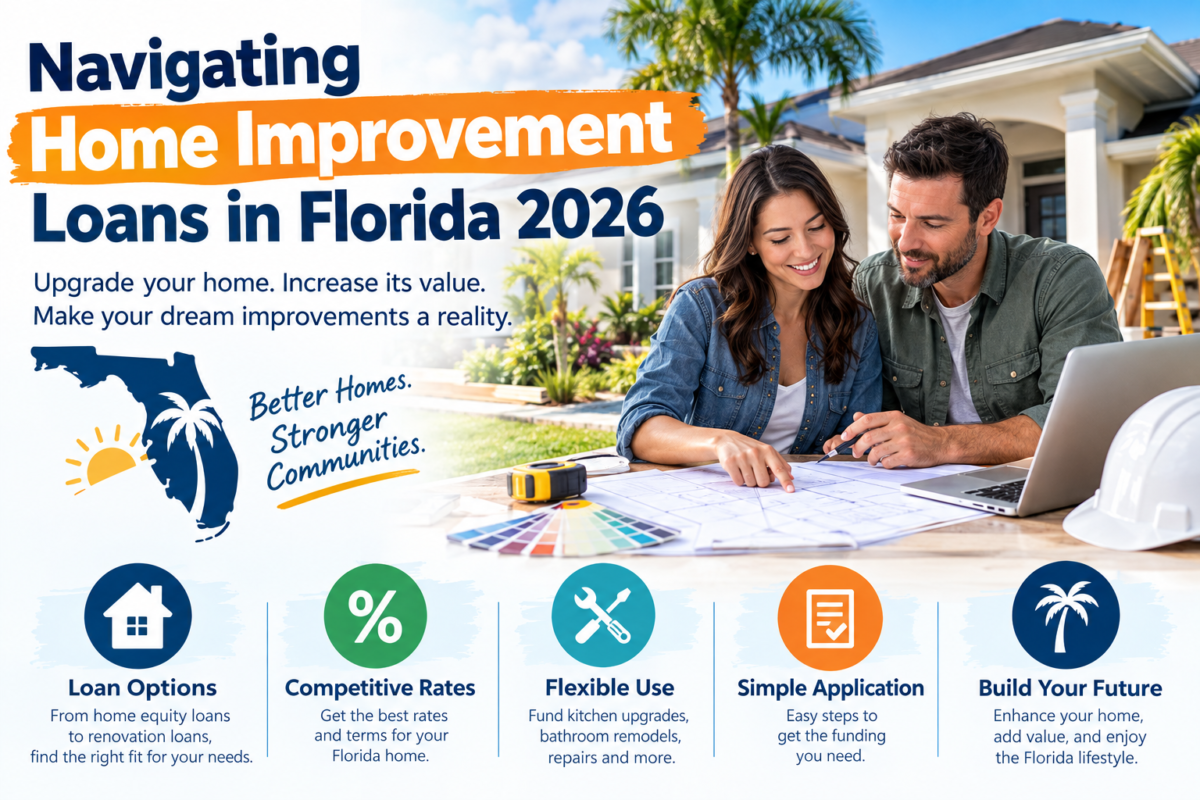
Understanding Home Improvement Loans
Home improvement loans are specifically designed to finance renovations, repairs, or specific upgrades to residential properties. These loans can be essential for homeowners looking to enhance their living spaces, increase property value, or address necessary repairs. There are various types of home improvement loans available, which can cater to different financial situations and project scopes.
One common distinction in the category of home improvement loans is between secured and unsecured loans. Secured loans require the borrower to put up collateral, typically the home itself. This means that if the borrower fails to repay the loan, the lender may seize the property to recover their funds. Secured loans often come with lower interest rates, making them an attractive option for larger projects or extensive renovations.
On the other hand, unsecured loans do not require collateral, meaning they might be less risky for borrowers. However, because they pose a higher risk to lenders, they typically come with higher interest rates. Unsecured loans can be a suitable choice for minor improvements or quick fixes that don’t necessitate a significant amount of funding.
In addition to the basic differences between secured and unsecured home improvement loans, it is essential to recognize the potential benefits these loans can provide to homeowners. By obtaining such financing, homeowners can take on projects that not only improve their living conditions but also enhance the overall value of their property. Whether it’s a kitchen remodel, roofing repairs, or energy-efficient upgrades, home improvement loans can facilitate necessary enhancements without immediate, significant out-of-pocket expenses.
Ultimately, understanding how to obtain a home improvement loan in Florida, USA, can empower homeowners to make informed decisions about improving their residence. Properly navigating these financial products can lead to long-term satisfaction with both the home and the financial commitment involved.
Eligibility Criteria for Home Improvement Loans in Florida
In order to successfully navigate the process of how to obtain a home improvement loan in Florida, prospective borrowers must first be aware of the specific eligibility requirements that lenders typically impose. One of the primary considerations is the minimum credit score, which can vary by lender but generally falls within the range of 620 to 640 for conventional loans. A higher credit score not only increases the chances of loan approval but can also lead to more favorable interest rates, making it crucial for applicants to assess their credit history prior to applying.
Another significant factor is the income requirement associated with home improvement loans. Lenders typically require proof of steady income to ensure that borrowers have the financial capacity to repay the loan. This includes providing documentation such as pay stubs, tax returns, or proof of additional income sources. The borrower’s debt-to-income ratio (DTI) is also scrutinized; most lenders prefer a DTI of 43% or lower, although some may allow for more flexibility depending on other factors like creditworthiness.
Equity in the home is an additional criterion that cannot be overlooked. Home improvement loans often require the property to have sufficient equity—typically at least 20%. This equity serves as collateral, and lenders use it to mitigate their risk. For homeowners who may not have significant equity, options such as secured loans or government-backed loans could be explored. It is vital for applicants to evaluate their financial situation meticulously before pursuing how to obtain a home improvement loan in Florida, as this not only enhances the chances of approval but also ensures that they are making a prudent financial decision.
Types of Home Improvement Loans Available
When exploring how to obtain a home improvement loan in Florida, it is essential to understand the various types of loans available to homeowners. Each option presents unique features tailored to specific financial needs and circumstances.
One of the most common types of financing for home renovations is a personal loan. These unsecured loans do not require collateral, making them accessible for homeowners who may lack equity in their homes. Personal loans often come with fixed interest rates and predictable monthly payments, enabling borrowers to budget effectively. However, the interest rates may be higher than other secured loan options, and the total borrowing amount might be limited, which could restrict the scale of home improvement projects.
A popular alternative is the home equity loan, which is secured by the value of the home. This type of loan allows homeowners to borrow against the equity they have built up, often resulting in lower interest rates compared to personal loans. Home equity loans can provide substantial funding for significant renovations but do carry the risk of foreclosure if the borrower fails to repay. Additionally, these loans typically require a thorough appraisal of the property, which can add time and expense to the process.
Government-backed loans, such as the FHA 203(k) loan, are also excellent options for those looking to improve their homes. The FHA 203(k) program is specifically designed for financing both the purchase of a home and the costs associated with renovations. This loan option combines existing mortgage rates with renovation funds, thus simplifying the overall borrowing process. The eligibility requirements tend to be less stringent, allowing homeowners with lower credit scores to qualify. However, the lengthy approval process and additional paperwork can be potential drawbacks.
In conclusion, understanding the different types of home improvement loans available in Florida is crucial for homeowners considering renovations. Whether through personal loans, home equity loans, or government-backed options like the FHA 203(k), each type offers distinct advantages and disadvantages that can influence the decision on how to obtain a home improvement loan effectively.
Steps to Apply for a Home Improvement Loan
Applying for a home improvement loan in Florida requires a structured approach to ensure favorable terms and successful approval. To begin with, potential borrowers should gather all necessary documentation, including proof of income, tax returns, credit reports, and details regarding existing debts. This documentation is crucial for lenders to assess financial stability and eligibility for the loan.
Next, determining the loan amount needed is essential. Homeowners should evaluate the scope of their renovation projects to derive a clear budget. This budget not only includes the costs of materials and labor but also any unanticipated expenses that may arise during the renovation process. Having a comprehensive estimate will help in choosing the right type of loan and facilitate a smoother borrowing experience.
Following the identification of the required loan amount, the next step involves researching and selecting suitable lenders. It is advisable to consider various lenders, including banks, credit unions, and online lending platforms, as each may offer different terms and interest rates. Homeowners should evaluate factors such as initial fees, loan terms, and customer service reputation to ensure they choose a lender aligned with their financial needs.
Comparing different loan offers is equally important in this process. Homeowners should analyze the Annual Percentage Rate (APR), repayment terms, and any additional fees associated with the loans. This step is essential to ensure that borrowers have a comprehensive understanding of each option’s cost over the life of the loan. A meticulous comparison not only aids in making an informed decision but also enhances the likelihood of securing a loan with favorable terms, which is critical for financing home improvements efficiently.
By following these structured steps—gathering documentation, determining the loan amount, selecting lenders, and making detailed comparisons—homeowners in Florida can navigate the process of how to obtain a home improvement loan effectively and with confidence.
Finding the Right Lender in Florida
When considering how to obtain a home improvement loan in Florida, selecting the right lender is crucial. The variety of lenders available can be overwhelming, so it is essential to evaluate key factors that will best suit your financial situation and renovation goals.
Firstly, interest rates play a significant role in the overall cost of your loan. It is advisable to compare rates from multiple lenders, as even a slight difference can lead to substantial savings over the loan term. Additionally, understanding the terms of the loan is vital. Lenders may offer different repayment periods, flexibility in payments, and other conditions that could affect your budgeting.
Customer service is another important factor to consider. A lender that provides responsive and helpful customer support can make the application process smoother and clearer, especially as you navigate how to obtain a home improvement loan in Florida. Reading customer reviews and seeking recommendations from family or friends can provide valuable insights into a lender’s reliability and support.
Moreover, it is beneficial to look for reputable lenders that are well-established in the community. Local credit unions, banks, and online lenders may all offer competitive rates, but those with a solid reputation in Florida may provide added reassurance regarding their services and transparency. You might want to find lenders that specialize in home improvement loans, as they often have tailored products that can meet specific renovation needs.
Lastly, take the time to ask potential lenders questions about their processes and any fees associated with the loan. By considering these factors—interest rates, terms, customer service, and lender reputation—you can make an informed decision about how to obtain a home improvement loan in Florida that meets your needs effectively.
Costs Involved in Home Improvement Loans
When considering how to obtain a home improvement loan in Florida, it is crucial to understand the various costs that may accompany the financing options available. These costs often play a significant role in determining the overall affordability of the loan, and can include origination fees, closing costs, interest rates, and potential hidden fees.
Origination fees are common in many borrowing scenarios. This fee typically covers the lender’s administrative costs for processing the loan application. While the fee can vary by lender, it is essential to factor it into the total cost of borrowing. Consequently, it can impact the amount of money you ultimately receive for your home improvement project.
Closing costs, another significant expense, encompass a range of fees incurred during the finalization of the loan. These may include appraisal fees, title insurance, and attorney fees. Depending on the terms of the loan, closing costs can add up to a considerable sum. Being aware of these potential expenses enables homeowners to be more prepared financially when deciding how to obtain a home improvement loan in Florida, USA.
Interest rates also play a vital role in the total cost of a home improvement loan. Lenders typically assess a borrower’s creditworthiness, which can influence the interest rate offered. Lower interest rates can significantly reduce the overall cost of borrowing over the life of the loan, while higher rates can make repayment more burdensome.
Additionally, potential hidden fees such as prepayment penalties or maintenance charges can sneak up on borrowers, making it imperative for individuals to thoroughly review loan agreements. Understanding all associated costs will empower homeowners to make informed decisions and choose a loan that aligns with their financial goals.
Using Your Loan Wisely for Home Improvement Projects
Obtaining a home improvement loan can provide homeowners with the necessary funding to enhance their properties. However, utilizing this financial resource wisely is crucial to maximize both the value of the home and the return on investment (ROI). When considering how to obtain a home improvement loan in Florida, it is vital to evaluate which projects will yield the highest returns while aligning with your personal needs and preferences.
Some of the enhancements that typically offer significant value increases include kitchen remodels, bathroom upgrades, and energy-efficient improvements. For instance, kitchen renovations often provide one of the best returns, making it a worthwhile project to finance with a home improvement loan. Potential buyers tend to see kitchens as the heart of the home, and modernizing these spaces can significantly influence their purchasing decisions.
Equally, bathroom upgrades, such as installing new fixtures or enhancing functionality, can also elevate a home’s appeal. Such improvements are often well-regarded in the market and can be executed without excessive expenditures, making them ideal projects to consider when determining how to obtain a home improvement loan in Florida.
Furthermore, energy-efficient installations, like new windows, heating systems, or solar panels, prove to be valuable investments. Not only do they reduce long-term utility costs, but they also align with growing consumer preferences for sustainability, making such changes attractive for prospective buyers. Homeowners should prioritize these types of projects if they aim to boost their property values effectively.
To ensure the funds from a home improvement loan are utilized efficiently, it is advisable to conduct thorough research and plan projects strategically. This might involve seeking input from professionals or utilizing online resources to assess market trends. By prioritizing enhancements that appeal to the market, homeowners can make informed decisions, effectively utilizing their home improvement loan for maximum benefits.
Common Mistakes to Avoid When Taking Out a Loan
When considering how to obtain a home improvement loan, potential borrowers must be aware of common pitfalls that can hinder their financial well-being and project success. The first major mistake is borrowing more than needed. Many homeowners may be tempted to secure a larger loan under the assumption that additional funds will allow for more extensive renovations. However, this can lead to increased debt and make it challenging to manage monthly repayments effectively. It is prudent to have a clear understanding of the project’s costs and secure only the necessary amount to avoid overextending financially.
Another significant error involves overlooking the terms and conditions associated with the loan. Each lending institution may have different requirements, interest rates, and repayment structures, which can greatly affect overall loan affordability. Borrowers should carefully evaluate the details of each option, comparing different offers and ensuring they fully comprehend the implications of adjustable rates or hidden fees. Ignoring these elements often leads to unwelcome surprises after the loan is finalized.
A third common mistake is failing to create a proper budget for the home improvement project. Without a detailed financial plan encompassing expenses such as labor, materials, and permits, homeowners may find themselves accruing unexpected costs. It is vital to include a buffer for unforeseen expenses and to track spending continuously to remain within the budget. Moreover, an accurate budget helps in selecting the appropriate loan amount, aligning with practical financial planning.
In conclusion, understanding how to obtain a home improvement loan in Florida, USA, involves more than just securing funding; it requires awareness of potential mistakes that can jeopardize a homeowner’s financial stability. By avoiding errors such as borrowing excessively, ignoring loan terms, and neglecting comprehensive budgeting, borrowers can navigate the process more effectively and ensure a smoother home improvement journey.
Resources and Support for Homeowners in Florida
For homeowners in Florida searching for how to obtain a home improvement loan, there are a variety of resources and programs designed to provide assistance and guidance. These resources not only facilitate access to financing but also offer essential support throughout the loan application process.
One significant resource is the Florida Housing Finance Corporation, which provides various loan programs aimed at making home improvements more accessible. They often have initiatives that target specific demographics, including low-to-moderate-income homeowners looking to enhance their properties. More detailed information about these programs can be found on their official website.
Another vital asset is local financial institutions, many of which offer specialized home improvement loans tailored to the needs of Florida residents. These banks and credit unions generally provide knowledgeable loan officers who can guide homeowners on how to obtain a home improvement loan in Florida. It is advisable for borrowers to shop around to compare interest rates and terms, ensuring they select the option that best suits their financial situation.
In addition to financial options, there are support services available through non-profit organizations. For instance, the U.S. Department of Housing and Urban Development (HUD) offers free or low-cost housing counseling services. These counselors can help homeowners navigate the myriad of choices available for home improvement financing.
Home improvement loan calculators are also practical tools available online. These calculators can help prospective borrowers estimate their potential monthly loan payments, making it easier to understand affordability before committing to a loan.
In conclusion, Florida homeowners have access to a range of resources to assist them in the process of obtaining home improvement loans. Whether through state programs, local banks, or non-profit organizations, these resources play a crucial role in helping residents make informed decisions regarding their home improvement projects.
FAQs: Navigating Home Improvement Loans in Florida 2026
1. What are home improvement loans in Florida, and how do they work?
Home improvement loans are financing options that help Florida homeowners pay for renovations, repairs, upgrades, and remodeling projects. Depending on the loan type, homeowners may borrow money through personal loans, home equity loans, home equity lines of credit (HELOCs), or renovation-specific mortgage programs. The borrowed amount is usually repaid through monthly payments with interest over an agreed period.
2. What types of home improvement loans are available in Florida in 2026?
Florida homeowners can choose from several financing options, including personal home improvement loans, home equity loans, HELOCs, cash-out refinancing, and government-backed renovation programs. The right option depends on factors such as home value, credit score, project size, and repayment preferences.
3. How much can I borrow for a home renovation project in Florida?
The amount you can borrow depends on your income, credit history, existing debts, home equity, and the lender’s requirements. Smaller projects may be suitable for personal loans, while larger renovations may require equity-based financing or specialized renovation loans.
4. What credit score is needed to qualify for a home improvement loan in Florida?
Credit score requirements vary by lender and loan type. Generally, a higher credit score can improve your chances of approval and may help you secure better interest rates. Homeowners with lower credit scores may still have options but could face higher borrowing costs or stricter requirements.
5. Are home improvement loans in Florida better than using savings for renovations?
The choice depends on your financial situation. Using savings avoids interest costs, while a loan allows homeowners to complete projects without using all their available cash. Many homeowners compare the project urgency, potential home value increase, and repayment ability before deciding.
6. Can I use a home improvement loan for any renovation project in Florida?
Most home improvement loans can be used for a wide range of projects, including kitchen remodeling, bathroom upgrades, roof repairs, hurricane protection improvements, energy-efficient upgrades, and home additions. However, lenders may have specific rules about eligible expenses depending on the loan type.
7. How do interest rates affect home improvement loans in Florida in 2026?
Interest rates directly impact monthly payments and the total cost of borrowing. Homeowners should compare fixed and variable-rate options, understand loan terms, and consider how rate changes could affect long-term affordability, especially with adjustable-rate financing options like some HELOCs.
8. Are there special home improvement financing options for Florida homeowners?
Yes. Some Florida homeowners may qualify for programs designed for energy efficiency improvements, disaster-related repairs, or property upgrades. Availability depends on location, eligibility requirements, and current program guidelines.
9. How can I choose the best home improvement loan in Florida?
To choose the right loan, compare interest rates, fees, repayment terms, borrowing limits, and eligibility requirements from different lenders. Consider your renovation budget, financial goals, and ability to manage monthly payments before selecting a financing option.
10. What should I prepare before applying for a home improvement loan in Florida?
Before applying, gather documents such as proof of income, credit information, mortgage details, renovation estimates, contractor quotes, and property information. Having a clear project budget and repayment plan can make the application process smoother and help lenders evaluate your request.
Read More: