
Understanding the Distinctions Between Renovation Loans and Home Improvement Loans
August 20, 2026
What Are the FHA Loan Requirements? Everything You Need to Know
August 20, 2026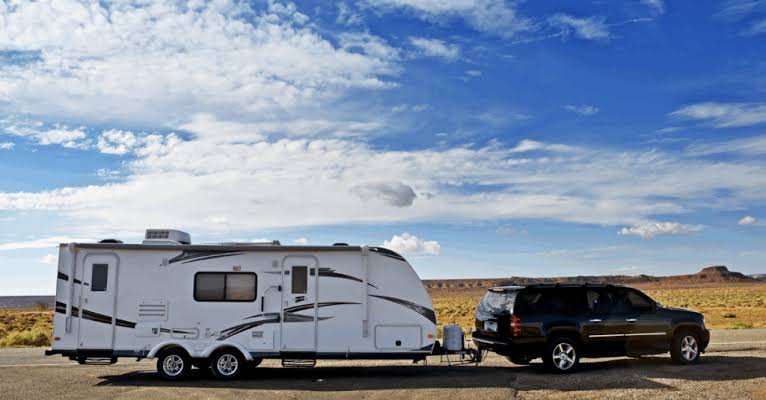
Understanding Recreational Vehicle Loans
Recreational vehicle loans are specialized financing options designed for individuals looking to purchase RVs, motorhomes, or travel trailers. Unlike traditional auto loans, which are primarily suited for standard vehicles, recreational vehicle loans cater specifically to the unique demands and characteristics of recreational vehicles. These loans account for the higher costs associated with purchasing an RV, which can range from tens of thousands to over a hundred thousand dollars.
One of the primary distinguishing features of recreational vehicle loans is their flexible repayment terms. While standard auto loans often have set repayment periods usually spanning from three to five years, recreational vehicle loans can extend up to twenty years, allowing borrowers more time to repay the financing. This longer term is particularly beneficial for those who may wish to spread the cost of their leisure purchase over an extended period.
Another essential aspect is the loan amounts available. Since RVs tend to be more expensive than regular cars, lenders typically offer larger loan amounts and cater to different borrowing scenarios based on individual credit profiles and financial situations. Recreational vehicle loans also often present competitive interest rates, which can be lower than those offered for personal loans, making them an attractive option for financing a new leisure vehicle.
It is essential for potential buyers to understand that recreational vehicle loans may come with specific requirements and conditions. Lenders might require a larger down payment compared to traditional auto loans, reflecting the risk associated with this type of financing. Additionally, buyers should be aware of the different types of RV loans available, including secured and unsecured options, which can affect interest rates and terms.
Different Types of RV Financing Options
When considering recreational vehicle loans, it is essential to understand the various financing options available to potential buyers. Each option comes with its benefits and drawbacks, making it critical to assess which type aligns best with individual financial situations and preferences.
One of the most common financing options is the secured loan. This type of loan requires the RV itself to serve as collateral, which can lower interest rates due to reduced risks for lenders. Secured loans tend to allow for larger amounts of financing over extended periods, making monthly payments more manageable. However, if you default on the loan, the lender has the right to repossess the RV, posing a risk if financial difficulties arise.
Unsecured loans, on the other hand, do not require any collateral, meaning that the borrower does not risk losing their RV if they fail to make payments. These loans often come with higher interest rates due to the increased risk taken on by lenders. Additionally, the amounts available may be lower than those offered for secured loans, possibly limiting the choice of RVs. Nevertheless, for those who have a strong credit history, unsecured loans can be an appealing option when seeking recreational vehicle loans.
Another popular choice for financing an RV is through direct dealership financing. Many RV dealers offer in-house financing options, which can streamline the purchasing process. This approach often includes promotional offers such as 0% financing for a limited period. However, buyers should be cautious, as dealership financing may not always provide the best interest rates, and it is crucial to compare loan terms across various lenders.
In conclusion, understanding the different types of RV financing options is vital for making an informed decision. Whether opting for secured loans, unsecured loans, or dealership financing, potential RV owners should thoroughly assess their financial circumstances and the associated risks before proceeding with recreational vehicle loans.
Factors to Consider When Choosing RV Financing
Selecting the right financing option for recreational vehicle loans is a vital step for prospective RV owners. Several key factors should be assessed to ensure borrowers make informed decisions. Firstly, loan amounts play a crucial role, as they determine how much a buyer can realistically borrow to purchase their chosen vehicle. It is essential to ascertain the total cost of the RV, including any additional expenses such as taxes and fees, to gauge the appropriate loan amount needed.
Interest rates are another critical factor influencing the overall cost of recreational vehicle loans. Prospective borrowers should research current market rates and compare offers from different lenders. A lower interest rate can significantly reduce the total amount paid over the life of the loan, making the financing option more affordable. Furthermore, understanding the term length of the loan is essential, as it dictates the monthly payment amount and the repayment schedule. Longer terms usually result in smaller payments but can increase the overall interest paid over time.
Another important consideration is the borrower’s credit score, which can impact the terms and rates offered on recreational vehicle loans. Lenders typically assess a borrower’s credit history to evaluate their likelihood of repaying the loan. A higher credit score usually enables borrowers to secure better terms, such as lower rates or reduced down payment requirements. Hence, it may be beneficial for potential borrowers to improve their credit ratings prior to applying for a loan to unlock more favorable financing options.
In conclusion, when selecting RV financing, it’s important to consider the loan amounts, interest rates, repayment terms, and the impact of credit scores. Thorough research and careful assessment of these factors can help individuals choose the best recreational vehicle loan that aligns with their financial situation and purchasing needs.
Assessing Your Budget for an RV Loan
When embarking on the journey of acquiring recreational vehicle loans, it is essential to start with a thorough assessment of your budget. This not only helps in determining the affordability of the loan but also ensures that you account for all associated costs that come with owning an RV.
First and foremost, consider the total amount you can dedicate monthly to the loan payments. Calculate your gross income and apply the general rule of thumb that no more than 15% of your monthly income should go towards the debt. By adhering to this guideline, you will maintain a healthy financial balance while enjoying your recreational vehicle.
In addition to the monthly payments, prospective buyers must factor in other necessary expenses. These include, but are not limited to, insurance premiums, taxes, and maintenance costs. Insurance is crucial, as it protects your investment from unforeseen events. Premium rates can vary significantly based on factors such as the type of vehicle, its age, and your driving history.
Taxes are another vital component that can impact your overall budget. Depending on your location, sales tax and registration fees can add a substantial amount to your initial cost. Therefore, it is important to check state-specific regulations and requirements prior to committing to a purchase.
Maintenance costs can also vary widely depending on the age and condition of the RV. Regular servicing, potential repairs, and seasonal preparations can contribute to the financial obligations of RV ownership. Allocating funds for these expenses will not only help prevent any financial strain but will also ensure your vehicle remains in optimal condition for your recreational adventures.
In conclusion, assessing your budget thoroughly when considering recreational vehicle loans is crucial for a successful purchase. By evaluating all associated costs, you can make informed decisions that align with your financial capabilities, leading to a more enjoyable RV experience.
Comparing Lenders: What to Look For
When seeking recreational vehicle loans, comparing different lenders is a critical step in ensuring you secure the best financing option for your needs. Various factors should be considered when analyzing lender offers to help you make an informed decision.
One of the primary aspects to evaluate is the interest rates that various lenders provide. Interest rates can significantly impact the overall cost of the loan, thus it is essential to seek rates that are competitive. Lenders may offer fixed or variable rates; understanding the differences between these types can help clarify which option may serve your financial situation better over the loan term.
In addition to interest rates, it is crucial to examine the fees associated with each loan. Some lenders may charge application fees, origination fees, or prepayment penalties that can add to the total expense of borrowing. Always request a detailed list of all potential fees and make a systematic comparison of these costs across different lenders.
Customer service is another vital consideration. An effective way to gauge a lender’s customer service quality is to read reviews from previous customers, or even contacting them directly for inquiries. A lender that takes the time to answer your questions thoroughly demonstrates a commitment to client satisfaction, which can be beneficial during the loan process.
Finally, investigate the lender’s reputation in the industry. Established lenders with positive ratings typically indicate reliability, whereas newer lenders may carry higher risks. Researching third-party reviews, checking their standing with regulatory bodies, and confirming their experience with recreational vehicle loans can provide valuable insights.
By assessing interest rates, fees, customer service, and lender reputation, you will be better equipped to gather quotes and read the fine print effectively. This approach not only helps you compare lenders, but also aligns you with the financing option that caters to your unique needs.
The Importance of Pre-Approval
Obtaining pre-approval for a recreational vehicle loan is a critical step in the financing process that should not be overlooked. The pre-approval signifies that a lender has reviewed your financial situation and is willing to provide a loan up to a certain amount. This not only enhances your bargaining power when negotiating the price of a recreational vehicle but also instills confidence as you begin your search.
One of the primary benefits of pre-approval is the clarity it provides regarding your budget. By knowing the exact amount you are approved for, you can filter your options and concentrate on recreational vehicles that fall within your financial reach. This prevents potential disappointment that could arise from falling in love with a vehicle that exceeds your financing limit.
Moreover, pre-approval can significantly streamline the purchasing process. When sellers see that you are pre-approved, they are more likely to view you as a serious buyer, which can facilitate smoother negotiations. This is particularly advantageous in today’s market where recreational vehicles can be highly sought after. Sellers often prefer buyers who exhibit financial readiness, as it minimizes the chance of deals falling through due to financing complications.
In addition to increasing your purchasing power and clarity, pre-approval can provide you with a definitive understanding of interest rates and terms you may receive. This can help you compare different financing options and make informed decisions regarding your recreational vehicle loan. It effectively equips you with the necessary insights to choose the right financing option tailored to your needs.
In conclusion, obtaining pre-approval for a recreational vehicle loan is a strategic advantage that equips potential buyers with the necessary tools to navigate the market successfully. From enhancing negotiation capabilities to clarifying financial limits, the importance of this step in the loan process cannot be understated.
Tips for Improving Your Credit Score Before Applying
Before considering recreational vehicle loans, it is crucial for potential borrowers to enhance their credit scores. A higher credit score can lead to better interest rates and loan terms, ultimately making the financing process smoother. Here are several actionable tips to improve your credit profile.
First and foremost, regularly checking your credit report is imperative. Each person is entitled to a free credit report annually from the three major credit bureaus: Experian, TransUnion, and Equifax. By examining your report, you can identify any errors or discrepancies that may be affecting your score. If you find inaccuracies—such as incorrect account information or fraudulent activity—take immediate steps to dispute these errors.
Next, focus on paying down outstanding debts. A high credit utilization ratio, which is the amount of credit used relative to total available credit, can significantly impact your score. Aim to keep your utilization below 30%. Prioritize paying off high-interest credit cards and loans first, as this not only reduces debt but also improves your overall financial health.
Additionally, establish a steady history of on-time payments. Timely payments on current loans, credit cards, and bills contribute positively to your credit history. Consider setting up automatic payments or reminders to ensure you never miss a due date. Over time, this consistent behavior can dramatically elevate your credit score.
Another helpful strategy is to avoid opening multiple new credit accounts in a short period. Each new application triggers a hard inquiry on your credit report, which can temporarily lower your score. Instead, focus on maintaining existing credit accounts and improving their utilization rates.
By following these steps, individuals aiming for recreational vehicle loans can position themselves as more attractive borrowers to lenders, thereby securing the best possible financing options for their RV purchase.
Understanding Loan Terms and Conditions
When considering recreational vehicle loans, it is essential to understand various terms and conditions that accompany them. This knowledge will equip potential borrowers with the necessary information to make informed decisions regarding their financing options. A crucial aspect to comprehend is the difference between fixed and variable interest rates. Fixed rates remain constant throughout the loan term, providing predictability in monthly payments. Conversely, variable rates can fluctuate based on market conditions, which might lead to lower initial payments but can become more expensive in the long run.
Another fundamental element is the duration of the loan, which can vary significantly from one lender to another and can range from a few years up to 20 years or more. The length of the loan impacts the overall cost; while longer terms may result in smaller monthly payments, they often lead to more significant interest costs over time. Thus, potential borrowers must evaluate their budget and financial goals carefully when choosing the loan duration.
Furthermore, it is imperative to be aware of any penalties associated with early repayment of the loan. Some lenders impose fees for paying off the loan ahead of schedule as it deprives them of future interest income. Understanding these penalties helps in formulating a repayment strategy that aligns with financial capabilities and potential changes in personal circumstances.
In addition to rates and terms, recreational vehicle loans may come with other contractual obligations such as insurance requirements, fees for late payments, and other conditions that affect overall loan management. Thoroughly reviewing and understanding these terms can prevent unexpected burdens in the future. By becoming well-versed in the different aspects of loans, individuals can confidently navigate the myriad of options available, ensuring that they select the best recreational vehicle loans suited to their needs.
Final Steps: Reviewing Your Loan Agreement
Before finalizing your decision on recreational vehicle loans, it is essential to take the time to review the loan agreement thoroughly. This document outlines the terms and conditions of your financing option, which can significantly impact your financial situation in the long run. Understanding the loan details is crucial in ensuring that you make an informed choice that aligns with your budget and financial goals.
Begin by examining the interest rate, which is one of the most critical components of recreational vehicle loans. Different lenders may offer varying rates, so comparing these rates is advisable. Additionally, pay close attention to whether the interest rate is fixed or variable, as this will affect your monthly payments and overall loan cost. It is also vital to recognize any associated fees that may apply, such as origination fees, closing costs, or prepayment penalties.
Furthermore, take the time to read through the sections regarding repayment terms. Ensure that the duration of the loan suits your financial capacity and that the monthly payment aligns with your budget. Some loans may offer flexible repayment plans, which could be beneficial if your financial situation changes in the future. Should you have any uncertainties or doubts while reviewing the contract, do not hesitate to seek clarification from your lender. Asking questions is essential for fully understanding the components of your loan.
Lastly, consider the consequences of defaulting on the loan. Familiarize yourself with the lender’s policies regarding missed payments and what options are available should unexpected financial difficulties arise. Being aware of these aspects beforehand can prepare you for any challenges that may emerge during the loan term.
In summary, reviewing your recreational vehicle loan agreement carefully is a crucial final step before committing to financing. Understanding all the details allows you to make a sound decision, ensuring that the chosen loan is the right fit for your needs.
FAQs: Guidelines for Selecting the Best Recreational Vehicle Loan
1. What is a recreational vehicle loan?
A recreational vehicle loan is financing used to purchase an RV, camper, motorhome, travel trailer, or another eligible recreational vehicle. Depending on the lender, borrowers may choose from secured RV financing or other loan options.
2. How do I choose the best recreational vehicle loan?
Compare lenders based on APR, interest rate, loan term, fees, monthly payment, down payment requirements, and total borrowing cost. Also check eligibility requirements and whether the lender finances the specific type of RV you want to purchase.
3. What credit score do I need for an RV loan?
Credit requirements vary by lender. A stronger credit profile may improve your chances of approval and help you qualify for more competitive rates, while borrowers with lower credit scores may face higher rates or stricter terms.
4. Is a down payment required for a recreational vehicle loan?
Some lenders require a down payment, while others may offer financing with little or no money down to qualified borrowers. A larger down payment can reduce the amount you need to borrow and may lower your monthly payment.
5. What loan term should I choose for an RV?
Loan terms vary depending on the lender, loan amount, and vehicle. A longer term can reduce monthly payments but may result in more interest paid over the life of the loan. Choose a term that fits comfortably within your budget.
6. Should I compare APRs when shopping for an RV loan?
Yes. APR can provide a more useful comparison because it generally reflects the interest rate plus certain finance charges. Compare APRs on loans with similar terms and amounts.
7. Can I get an RV loan from a bank or credit union?
Yes. Banks, credit unions, online lenders, and specialized recreational-vehicle financing providers may offer RV loans. Comparing multiple sources can help you find financing that fits your financial situation.
8. Can I use a personal loan to buy an RV?
In some cases, yes. A personal loan may be an alternative to specialized RV financing, particularly for smaller purchases. However, compare the interest rate, fees, repayment period, and borrowing limits before choosing this option.
9. What fees should I look for in an RV loan?
Potential costs can include origination fees, documentation fees, application fees, late-payment charges, and other lender-specific costs. Review the loan agreement carefully and consider the total cost of borrowing.
10. Is preapproval useful when buying an RV?
Yes. Getting preapproved can help you understand your potential borrowing amount and estimated rate before shopping. It may also make it easier to compare the dealer’s financing offer with outside lenders.
11. Should I finance a new or used recreational vehicle?
Both can be financed, but terms and rates may differ. Compare the vehicle’s purchase price, expected maintenance costs, age, depreciation, and financing terms before deciding whether a new or used RV makes more financial sense.
12. What is the most important factor when selecting an RV loan?
Don’t focus only on the monthly payment. Consider the APR, total interest, loan term, fees, down payment, and total amount repaid. The best recreational vehicle loan is one that provides manageable payments without creating unnecessary long-term debt.