
Loan in the United States
September 18, 2026

Understanding Student Loans
Student loans play a crucial role in financing higher education in the United States. They provide financial support to students who need assistance with tuition, fees, and other educational expenses. Understanding the basics of student loans is essential for students and their families as they navigate options available to them.
There are primarily two types of student loans: federal and private loans. Federal student loans are funded by the government and typically offer lower interest rates along with various repayment options, which can include income-driven repayment plans. They often come with borrower protections, such as deferment and forbearance. On the other hand, private student loans are offered by banks, credit unions, and other financial institutions. These loans often have varying interest rates based on the borrower’s credit score. It’s important for potential borrowers to understand the trade-offs between these loan types.
Additionally, loans can be categorized into subsidized and unsubsidized loans. Subsidized loans are available to students with demonstrated financial need, wherein the government pays the interest while the student is in school. Unsubsidized loans are available regardless of financial need, but interest accrues during the time the student is in school, potentially leading to a larger repayment amount later.
Key terms related to student loans include interest rates, principal, and loan servicer. Interest rates reflect the cost of borrowing money and can be fixed or variable. The principal is the original sum of money borrowed. The loan servicer manages the loan and is responsible for billing and service. Students should familiarize themselves with these terms to make informed decisions regarding their student loan options.
In conclusion, understanding the different types of student loans and associated terms is fundamental for effectively financing a college education. By gaining knowledge in this area, students can explore the best financial pathways to support their academic goals.
Popular Student Loan Providers
When seeking financing for higher education, it is crucial to explore various student loan providers to find a solution that meets your financial needs and situation. In the United States, several reputable companies stand out for their services, offerings, and competitive terms.
One of the most recognized federal student loan providers is the U.S. Department of Education, which offers Direct Subsidized and Unsubsidized Loans. These loans typically feature low-interest rates and flexible repayment options, making them a popular choice for many students. Moreover, federal loans often come with borrower protections, like deferment, forbearance, and public service loan forgiveness, setting them apart distinctly.
Another significant player is Sallie Mae, a well-known private student loan provider. Sallie Mae offers various loan products designed for undergraduate, graduate, and parents. Their loans usually come with a variety of repayment options, including interest-only payments during school, which can ease financial burdens during college years. Interest rates are variable and depend on the creditworthiness of the borrower, differentiating them from federal loans.
In addition, SoFi is another popular option that markets itself as a student loan refinancing company but also provides new student loans. They emphasize a community-oriented approach and offer benefits like career coaching and unemployment protection. Interest rates can be competitive, making them appealing to creditworthy borrowers.
Furthermore, Discover Student Loans offers loans with no fees and rewards for good grades, which makes them noteworthy among student loan providers. Their loans are available for undergraduate and graduate programs and offer varying repayment options and flexible terms.
Overall, understanding the different student loan providers and their unique offerings is essential for students seeking financial assistance for their education. Evaluating interest rates, terms, and additional features can help borrowers make informed decisions tailored to their educational financing needs.
Eligibility Criteria for Student Loans
Obtaining a student loan requires meeting specific eligibility criteria established by both federal and private lenders. Understanding these requirements is essential for prospective borrowers, as they significantly influence the approval process and potential loan terms.
One primary factor in qualifying for a student loan is the applicant’s credit score. Federal student loans, such as Direct Subsidized and Unsubsidized Loans, do not require a credit check or a minimum score, making them accessible to many students. However, private lenders often use credit scores as a criterion for eligibility, preferring applicants with higher scores to mitigate risk. Borrowers without established credit histories may need a cosigner to improve their chances of approval.
Income levels are another important aspect of student loan eligibility, particularly for private loans. Lenders may assess the applicant’s income to determine their ability to repay the loan after graduation. Students who have part-time jobs or other income sources may find it easier to secure a loan, as these earnings can demonstrate financial responsibility and repayment capability.
Enrollment status is also a critical requirement. Students must be enrolled at least half-time in an eligible educational institution to qualify for most federal student loans. The institution must be accredited and recognized by the U.S. Department of Education. Different lenders may have additional criteria, such as specific program eligibility or enrollment in certain fields of study, affecting the loan types available to students.
Understanding these eligibility criteria is vital for students navigating the complex landscape of financing their education. By ensuring they meet the necessary requirements, they can improve their chances of securing a student loan that aligns with their educational and financial goals.
The Application Process Explained
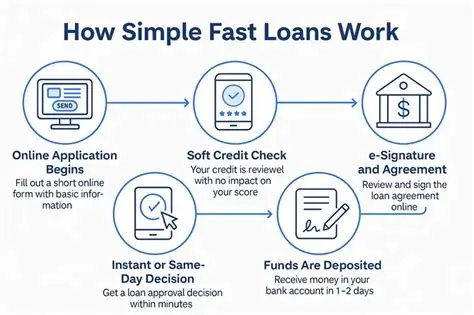
Applying for a student loan in the United States involves a series of crucial steps that every student should follow to ensure a smooth process. The first and often the most important step is completing the Free Application for Federal Student Aid (FAFSA). The FAFSA determines your eligibility for federal student loans, grants, and work-study programs. It is essential to fill out this application accurately and promptly, as federal funds are limited and available on a first-come, first-served basis.
Once your FAFSA is submitted, it typically takes about one to three weeks to process. After processing, you will receive a Student Aid Report (SAR), which contains your Expected Family Contribution (EFC). This information is used to assess how much aid you are eligible for. Keep in mind that the deadlines for federal aid applications may vary, so it is important to stay informed about these dates.
After understanding the aid you can receive from the federal government, students often consider applying for private student loans to cover any gaps in funding. When pursuing private loans, it is recommended to compare different lenders to understand their rates, terms, and repayment options. This comparison can be facilitated by accessing online tools and resources that aggregate lender information.
Prior to submitting applications to private lenders, it is advisable to gather all necessary documentation, including proof of income, credit history, and details about any co-signer if applicable. Being well-prepared will streamline the process considerably. Additionally, maintaining a good credit score can significantly impact the terms of the loan offered by private institutions.
To minimize potential pitfalls, students should read the fine print of loan agreements carefully and be transparent about their financial situation. Understanding the long-term implications of the loans, such as interest rates and repayment plans, is crucial. By following these steps and being proactive, students can navigate the complexities of the student loan application process more effectively.
Understanding Loan Terms and Conditions
When it comes to navigating the intricacies of student loans, understanding the related terms and conditions is paramount. These conditions encompass various components, such as interest rates, repayment schedules, and any potential fees that may arise throughout the life of the loan.
Interest rates on student loans can vary significantly, depending on the lender and the type of loan. Federal student loans generally offer fixed interest rates, whereas private loans may provide either fixed or variable rates. It is crucial for borrowers to evaluate the implications of these rates, as even a small difference can lead to significant financial burdens over time. Therefore, before proceeding with a certain loan, individuals should thoroughly compare the interest rates offered by different providers.
Furthermore, repayment schedules are another critical aspect of student loan agreements. They dictate how and when borrowers are required to begin repaying their loans. Many loans have a grace period, typically lasting six months after graduation before repayment begins. Understanding this timeline is vital for effective financial planning. Moreover, some loans offer flexibility in repayment options, including graduated repayment plans that adjust payments based on income and career progression.
In addition to interest and repayment plans, borrowers must also be aware of the various fees associated with student loans. These may include origination fees when the loan is issued and late payment fees if a borrower fails to make payments on time. All terms should be carefully considered, as these additional costs can accumulate, making the loan more expensive over time.
Reading the fine print before signing a student loan agreement cannot be overemphasized. The details contained in this fine print will outline the responsibilities and rights of the borrower. Ultimately, taking the time to thoroughly understand the terms and conditions associated with student loans will contribute significantly to making informed financial decisions and avoiding unplanned financial challenges.
Repayment Options for Students
Upon graduation, student loan borrowers are typically confronted with the imperative decision of how to manage their debt effectively. Numerous student loan repayment options are available, which can significantly ease the financial burden associated with repayment. Understanding these options is crucial for making informed decisions that can suit one’s financial situation.
One of the most accessible methods for managing student loans is through income-driven repayment plans. These plans adjust monthly payments based on a borrower’s income and family size, ensuring that payments remain affordable even as life circumstances evolve. For example, the Income-Based Repayment (IBR) plan allows borrowers to pay between 10% and 15% of their discretionary income toward their student loans, making it a favorable option for recent graduates who might be earning modest salaries.
Deferment is another valuable option for student loan borrowers facing financial hardship. This allows individuals to temporarily postpone their loan payments without accruing additional interest on certain types of loans. During deferment, borrowers can focus on stabilizing their financial circumstances, freeing them from the immediate pressure of repayment. However, it’s essential for borrowers to check if their specific loans qualify for deferment and understand the terms involved.
Furthermore, student loan forgiveness programs provide a pathway to eliminate debt for eligible borrowers. Programs such as Public Service Loan Forgiveness (PSLF) are designed for individuals working in public service careers, enabling them to have their remaining loan balance discharged after making 120 qualifying payments. Understanding the eligibility criteria and the application process for such programs can empower borrowers to explore these beneficial options as they navigate their student loan repayment journey.
Ultimately, the right repayment strategy can significantly influence a borrower’s financial health. By carefully analyzing the available student loan repayment options, borrowers can create a plan that aligns with their current financial situation and future goals.
Common Mistakes to Avoid
Managing student loans can be a complex process, and many students often make mistakes that can hinder their financial future. By recognizing these common pitfalls, students can navigate their loan experiences more successfully. One of the most prevalent mistakes is not fully understanding the terms and conditions of their student loans. Many students accept loans without comprehending the interest rates, repayment terms, and potential consequences of defaulting. It is crucial for students to thoroughly review their loan agreements and seek clarification on any confusing aspects before proceeding.
Another frequent error is underestimating the total cost of borrowing. Students may focus solely on the amount received without realizing how interest accrues over time. This oversight can lead to a greater burden during repayment, so students should calculate the total amount they will owe by considering factors like the interest rate and repayment duration. Educating oneself about these financial implications is essential for making informed decisions.
Additionally, students often delay their repayment plans. After graduation, many assume they have ample time to start repaying their loans, especially with grace periods. However, accumulating interest during this time can significantly increase overall debt. It is essential to begin repayment as soon as possible, even if it is just a small amount. Establishing a budget that prioritizes loan payments can alleviate stress in the long run.
Another mistake is failing to communicate with loan servicers. Many students avoid contacting their servicer due to fear or confusion. Nonetheless, open communication can lead to better understanding of repayment options, deferment possibilities, and potential loan forgiveness programs. Students should not hesitate to reach out for assistance and explore available resources to optimize their repayment strategies.
Finally, neglecting to explore alternative funding sources can limit financial options. Relying solely on student loans is risky. Researching scholarships, grants, and work-study opportunities can lessen the financial burden. By avoiding these common mistakes, students can take proactive steps towards effective management of their student loan obligations.
Resources for Student Loan Help
Managing a student loan can be a daunting task for many individuals. Fortunately, a variety of resources exist to assist students and graduates in understanding and managing their loans more effectively. These include federal resources, non-profit organizations, and financial advisors, each offering unique support tailored to different needs.
One primary source of assistance is the U.S. Department of Education, which provides a wealth of information on federal student loans, repayment plans, and loan forgiveness programs. Their official website features tools such as the National Student Loan Data System (NSLDS), where borrowers can track their loans and understand their repayment options clearly.
In addition to federal resources, many non-profit organizations focus on educating borrowers about student loans. For example, the National Foundation for Credit Counseling (NFCC) connects individuals with trained credit counselors who can provide personalized guidance on managing student debt. Another organization, Student Debt Crisis, advocates for policy changes and offers resources to help borrowers navigate their repayment paths.
Many students also benefit from consulting with financial advisors who specialize in education financing. These professionals can provide tailored advice based on individual financial situations and help borrowers create strategies to manage their loans effectively. Some colleges and universities even have financial aid offices staffed with advisors who can assist students and graduates in navigating their loan options.
Ultimately, utilizing these resources can significantly ease the burden of student loans. By taking advantage of available federal resources, connecting with non-profit organizations, and seeking expert guidance from financial advisors, borrowers can develop a clearer understanding of their student loans and find paths towards manageable repayment.
Future Trends in Student Loan Services
The landscape of student loans in the United States is rapidly evolving, influenced by various factors including legislative changes, technological advancements, and shifting economic conditions. One of the most significant trends is the increase in discussions around loan forgiveness programs aimed at addressing the financial burdens borne by borrowers. Recent legislation has sparked conversations about broadening eligibility for forgiveness, particularly in relation to public service workers and those in financial hardship.
In addition to potential reforms in forgiveness, interest rates on student loans continue to fluctuate, significantly impacting future borrowers. As interest rates rise or fall, the cost of borrowing changes, which can affect many individuals’ decisions about pursuing higher education. This unpredictability may prompt policymakers to consider new regulations that protect consumers while ensuring financial institutions manage risk effectively.
Moreover, the increasing adoption of technology within the student loan sector presents another trend worth noting. Borrowers are witnessing a shift towards online platforms that simplify the application process and improve loan management. Enhanced data analytics are helping lenders offer more tailored products to borrowers, ensuring that financing aligns with individual financial situations. Additionally, artificial intelligence and machine learning could soon enhance customer service experiences, providing instant support and guidance throughout the loan process.
As the national dialogue around student loans progresses, it is evident that these emerging trends have the potential to transform how educational financing is approached. Stakeholders must remain vigilant and informed about these developments to navigate the changing landscape effectively, advocating for solutions that balance borrower needs with the financial sustainability of lending institutions.