

Navigating Loans Without Credit in the United States
September 22, 2026
Can you get a title loans on motorcycle in New York City
September 25, 2026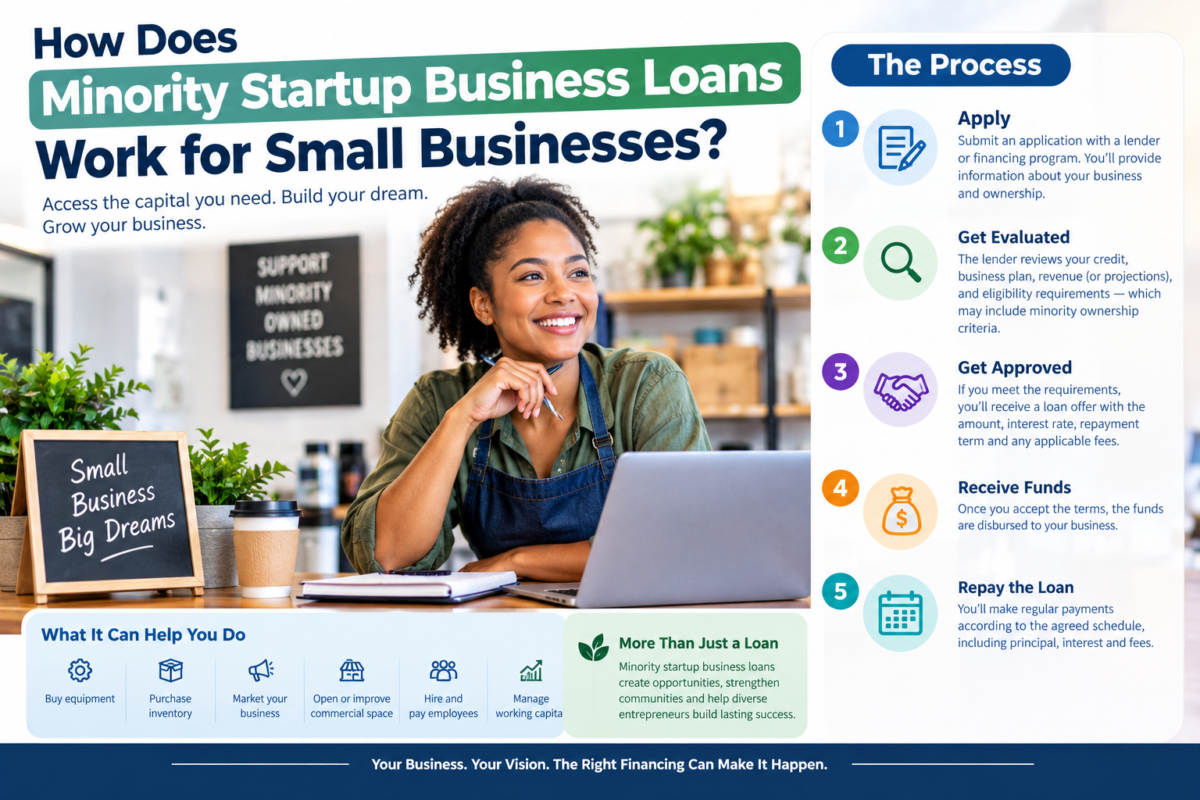
Introduction to Minority Startup Business Loans
Minority startup business loans serve as a vital tool for entrepreneurs from minority backgrounds seeking to establish or grow their businesses. These loans are tailored to meet the unique needs of marginalized entrepreneurs, providing access to capital that may otherwise be hard to secure through conventional financial avenues. The significance of these loans extends beyond individual business growth, impacting entire communities and contributing to broader economic development.
The primary purpose of minority startup business loans is to empower underrepresented business owners by offering them resources that facilitate the start-up phase or expansion of their ventures. These loans often come with favorable terms such as lower interest rates, reduced collateral requirements, and longer repayment periods, making them more accessible for those who may face barriers in traditional lending environments. Programs specifically designed for minority-owned businesses recognize the challenges these entrepreneurs encounter and aim to mitigate them by promoting financial inclusion.
Equally important is the economic impact that minority startup business loans have on small businesses and their communities. When minority entrepreneurs succeed, they contribute to job creation, stimulate local economies, and foster innovation. By supporting minority business ownership, these loans not only assist individuals but also nurture diverse perspectives within the marketplace, ultimately leading to a more robust and equitable economy. Furthermore, successful minority-owned businesses strengthen community ties and often reinvest in their neighborhoods, thereby promoting sustainable growth.
In summary, minority startup business loans are essential for bridging funding gaps for entrepreneurs from minority backgrounds. By understanding how these loans operate and the benefits they provide, stakeholders can support efforts to enhance entrepreneurial success and drive economic rejuvenation in underserved communities.
Eligibility Criteria for Minority Startup Business Loans
Securing startup business loans can be a pivotal step for minority entrepreneurs looking to establish or expand their ventures. However, understanding the eligibility criteria for these loans is essential. Typically, to qualify for minority startup business loans, applicants must demonstrate their status as minority business owners, which is often defined by specific racial, ethnic, or gender identities recognized by lending institutions.
Additionally, community involvement plays a significant role in the assessment process. Applicants may need to showcase their commitment to their communities through various means, such as participation in local organizations or initiatives aimed at economic development. This aspect not only highlights the entrepreneur’s dedication but also reflects the positive impact they have on their surroundings.
Another crucial eligibility factor is the financial health of the business. Lenders often evaluate the business’s credit history, existing revenue streams, and overall financial stability. Applicants must be prepared to present detailed financial statements and projections that illustrate their business’s potential for growth and sustainability. A well-prepared business plan can significantly enhance the chances of securing funding, as it demonstrates the entrepreneur’s clarity of vision and readiness to navigate the challenges of running a small business.
Moreover, eligibility may vary depending on specific loan programs and lenders. Some may have additional requirements, such as a minimum number of employees or geographic location. Therefore, it is advisable for minority entrepreneurs to research the various options available, ensuring they meet the comprehensive criteria set forth by different financial institutions. By thoroughly understanding these eligibility aspects, minority entrepreneurs can better position themselves when seeking startup business loans and increase their chances of receiving necessary funding.
Types of Minority Startup Business Loans
When exploring financial avenues for entrepreneurial ventures, minority startup business loans serve as a crucial resource. These loans cater specifically to individuals from marginalized backgrounds, aiming to foster inclusivity in business ownership. Understanding the various types of these loans can significantly benefit small business owners looking to access the capital they need.
One prominent type is microloans. Typically ranging from a few hundred to several thousand dollars, microloans are ideal for startups needing smaller amounts of capital. Organizations such as the Accion and Kiva U.S. provide microloans with favorable terms for minority entrepreneurs, ensuring that they can initiate their business journeys with limited financial pressure.
Another vital option is the SBA loan. The Small Business Administration (SBA) offers several loan programs designed to assist minority-owned businesses in obtaining necessary funding. Notably, the 7(a) loan program is widely used and provides up to $5 million for various business expenses. SBA loans often come with lower interest rates and extended repayment terms, making them an attractive choice for those looking to grow their small businesses sustainably.
Grants represent another unique category of funding available for minority entrepreneurs. Unlike loans, grants do not require repayment, which can relieve the financial burden many startups face. Various organizations and government entities offer grants specifically earmarked for minority businesses, helping them to invest in vital areas such as research, development, and marketing.
Besides these, other financing options, including personal loans and venture capital, may also be available to minority business owners. Each type of financing carries its own requirements and considerations, emphasizing the importance of evaluating which option aligns best with the specific needs and circumstances of the business.
Application Process for Minority Startup Business Loans
Applying for minority startup business loans is a crucial step for many small businesses looking to secure the funding necessary for growth and development. Understanding how these loans work can empower minority entrepreneurs to navigate the application process more effectively. Below is a detailed outline of the steps involved in applying for these specific types of loans.
The first step is to determine eligibility. Different lenders may have varying requirements, so it’s important to research what specific qualifications are required for minority startup business loans. This often includes being part of a recognized minority group and providing evidence of the business’s minority status. Additionally, prospective applicants should familiarize themselves with their state and local programs that may offer support to minority-owned businesses.
Next, potential borrowers should prepare a comprehensive business plan. A well-organized plan showcases the business’s concept, target market, operational strategy, and financial projections. This document is essential when applying for any form of funding, including startup business loans. Lenders will assess the viability of the business based on this plan, so clear and convincing details can enhance the chances of approval.
Once eligibility is established and the business plan is ready, applicants must collect the required documentation. This typically includes personal and business credit reports, proof of identity, tax returns, and financial statements. Having accurate and thorough records can expedite the loan application process and demonstrate the applicant’s organizational skills.
After gathering the necessary paperwork, applicants can proceed to fill out the loan application forms provided by the prospective lenders. It is advisable to double-check all information for accuracy before submission, as errors may delay the process or lead to denial. Some lenders may also require additional documents or follow-up discussions.
Finally, applicants should prepare for potential follow-up questions or requests for further information from the lending institution. Being responsive and cooperative during this part of the process can significantly improve the chances of securing the needed funding. By adhering to these steps, minority entrepreneurs can effectively enhance their likelihood of obtaining startup business loans tailored to their needs.
Finding Lenders That Offer Minority Startup Business Loans
Locating lenders that provide minority startup business loans is a critical step for entrepreneurs seeking financial assistance. Identifying the right sources can enhance the likelihood of securing funding necessary to launch or expand a business. Various institutions characterize themselves as supportive of minority entrepreneurs, including banks, credit unions, and nonprofit organizations. Each type of lender may offer distinct advantages and terms tailored for minority-owned businesses.
To start, research established banks that have dedicated programs or funds aimed at minority business owners. Many major financial institutions have initiatives designed to promote diversity and inclusion within entrepreneurship. It is advisable to visit their websites, where specific information regarding minority startup business loans is often detailed. Additionally, direct inquiries with banking representatives can provide clarity on eligibility requirements and available loan products.
Credit unions can also serve as valuable resources for minority startup business loans. Often, credit unions have more flexible lending criteria compared to traditional banks, which can be beneficial for new or small businesses with limited credit history. Furthermore, many credit unions prioritize serving their local communities and may have specialized offerings for minority entrepreneurs. Prospective borrowers should check out local credit unions and inquire about their specific loan programs.
Nonprofit organizations frequently play a vital role in providing financial and educational resources to minority startups. Some organizations specialize in economic development efforts, offering grants, loans, or mentoring programs for minority business owners. To find such organizations, look for local chambers of commerce or community development financial institutions (CDFIs) that focus on minority entrepreneurship. These entities often have partnerships with various lending institutions, enabling them to guide entrepreneurs in accessing startup business loans.
In summary, understanding where to find lenders that offer minority startup business loans is essential. By leveraging banks, credit unions, and nonprofit organizations, minority small business owners can improve their chances of obtaining the funding needed to succeed in today’s competitive business landscape.
Common Challenges Faced When Applying for Minority Startup Business Loans
The journey of securing startup business loans can be particularly arduous for minority entrepreneurs. Despite various programs aimed at supporting these individuals, significant obstacles remain prevalent during the loan application process. One of the most pervasive challenges is discrimination, which can manifest in various forms. Minority business owners often report experiencing bias from lenders, resulting in higher interest rates or outright loan denials compared to their non-minority counterparts.
Another critical issue is the lack of credit history, which can severely hinder the ability of minority entrepreneurs to qualify for necessary funding. Many minority individuals may not have had access to traditional banking services, leading to minimal credit records. This absence of a robust credit history can make lenders hesitant, as they often view it as an added risk, despite the potential viability of the business. As a result, it becomes essential for aspiring minority business owners to seek avenues for building their credit before embarking on the loan application journey.
Additionally, inadequate business plans present another significant hurdle. Many minority entrepreneurs may not have access to resources or mentorships that equip them with the skills to create a thorough and appealing business plan. A well-structured business plan is vital, as it outlines the business objectives, financial projections, and strategies that demonstrate the entrepreneur’s understanding of their market. Lenders commonly rely on these documents to assess the feasibility and potential success of a business. Thus, addressing these challenges, through education and support, is crucial for minority entrepreneurs seeking startup business loans.
Success Stories of Minority-Owned Businesses
Minority entrepreneurs often face unique challenges while seeking funding, but those who have successfully obtained startup business loans have demonstrated resilience and innovation. Their stories not only inspire others but also highlight how these financial resources can be effectively utilized to foster business growth.
One notable example is Maria Lopez, a Latina entrepreneur who launched her organic skincare line, intending to cater to underserved communities. After struggling to secure funding through traditional routes, she turned to a minority startup business loan program designed to empower small business owners. With the funding secured, Maria expanded her product line and increased production capacity. Within two years, she managed to double her revenue and establish her brand in local retailers, showcasing the significant impact of these loans on minority-owned ventures.
Another inspiring story is that of Amir Khan, who operates a tech startup focused on sustainable energy solutions. Amir was able to access a minority startup business loan that allowed him to invest in research and development. This investment was pivotal, as it led to the creation of an innovative app that connects users with eco-friendly services in their area. The success of his business not only provided jobs for local residents but also raised awareness about sustainability practices among consumers.
These real-life examples illustrate how minority startup business loans can be a catalyst for growth and innovation in the entrepreneurial landscape. By addressing the needs of minority entrepreneurs, these financial resources empower them to overcome barriers, expand their businesses, and contribute positively to their communities. The positive outcomes from such investments underscore the importance of continued support for minority-owned businesses.
Resources and Support for Minority Entrepreneurs
Minority entrepreneurs face unique challenges when launching and growing their businesses, often limited by access to resources and networks. Fortunately, several organizations and programs are dedicated to empowering these business owners through various forms of support, ranging from mentorship to financial education. Below is a compilation of notable resources that provide assistance specifically for minority entrepreneurs.
One impactful resource is the Small Business Administration (SBA), which offers a range of programs tailored to minority startup business loans. The SBA provides guidance on how minority startup business loans work for small businesses, helping entrepreneurs navigate funding options while highlighting the importance of financial literacy. Additionally, the SBA’s network of local offices offers access to counseling services and workshops aimed at developing crucial business skills.
Another valuable organization is the National Minority Supplier Development Council (NMSDC). This council focuses on enhancing the growth of minority-owned businesses by connecting them with corporate members looking to diversify their supply chains. Through networking events and training programs, the NMSDC helps entrepreneurs build relationships that can translate into vital business opportunities.
Furthermore, programs like Score provide free mentorship from experienced business professionals. By offering tailored advice and hands-on experience, mentors can guide minority entrepreneurs through the complexities of starting a business and securing financing, including startup business loans.
In addition to these organizations, community-based initiatives often provide local resources such as financial education workshops and networking events. Many regions host events specifically designed for minority entrepreneurs to learn, collaborate, and create partnerships within their communities. Leveraging these resources is essential for those exploring the world of minority startup business loans, as they provide the necessary tools and support systems to thrive.
In conclusion, minority entrepreneurs can significantly benefit from a variety of resources and organizations. By taking advantage of mentorship programs, networking opportunities, and financial education initiatives, minority-owned businesses can enhance their chances of success in the marketplace.
Conclusion and Future Outlook for Minority Startup Business Loans
In summation, minority startup business loans represent a vital resource for the diverse range of small businesses striving for growth and sustainability in a competitive marketplace. These loans are specifically designed to empower minority entrepreneurs, providing them access to essential financial support that may otherwise be difficult to obtain. As discussed throughout this blog post, understanding the mechanisms behind how minority startup business loans work for small businesses is crucial for entrepreneurs seeking to harness these opportunities effectively.
The landscape of minority startup business loans is rapidly evolving. Increased awareness of the importance of diversity in entrepreneurship has led to a surge in both private and public support tailored to minority-owned startups. Financial institutions are beginning to recognize the benefits of investing in these businesses, which not only contributes to economic growth but also enhances community welfare. Furthermore, technological advancements are simplifying loan application processes, making it easier for minority entrepreneurs to access necessary funding.
Looking forward, we anticipate continued growth in this sector, driven by policy initiatives and a broader cultural shift towards inclusivity. Programs aimed at mentoring and supporting minority entrepreneurs are likely to expand, thereby enhancing the effectiveness of minority startup business loans. Innovations in fintech could also introduce more personalized lending solutions that align with the unique needs of minority-owned businesses.
Ultimately, the integration of minority startup business loans into the broader economic framework is not merely a trend but a fundamental shift that paves the way for balanced growth. As small business owners leverage these resources, it is crucial that stakeholders remain attuned to their evolving needs, thereby fostering a more equitable and sustainable business environment. The future outlook for minority startup business loans appears promising, indicating an ongoing commitment to support minority entrepreneurs as they navigate the challenges of business ownership.
Frequently Asked Questions: Minority Startup Business Loans
1. What are minority startup business loans?
Minority startup business loans are financing options available to eligible entrepreneurs who are starting or growing a business. Depending on the lender or program, eligibility may consider ownership, business location, credit history, revenue, and other requirements.
2. How do minority startup business loans work?
The process generally involves applying with a lender or financing program, providing information about the business and its owners, and undergoing an eligibility and credit assessment. If approved, the borrower receives financing and repays the loan according to the agreed terms, including interest and applicable fees.
3. Who qualifies for a minority business startup loan?
Eligibility varies by lender and program. Some programs are specifically designed for businesses that are majority-owned and controlled by individuals who meet a particular minority-ownership definition. Other lenders may offer financing without using minority status as an eligibility requirement.
4. Can I get a minority business loan if my business is new?
Yes. Some financing programs accept startups, although requirements can be more demanding because a new business may not have an established revenue or credit history. Lenders may instead consider personal credit, business plans, projected cash flow, collateral, or other factors.
5. How much can I borrow for a minority-owned startup?
Loan amounts vary widely depending on the lender, financing program, business needs, creditworthiness, collateral, and repayment ability. Startup financing may range from smaller amounts for initial expenses to substantially larger business loans for equipment, real estate, or expansion.
6. What can minority startup business loans be used for?
Depending on the loan’s terms, funds may be used for expenses such as equipment, inventory, working capital, marketing, technology, commercial space, payroll, or other eligible business costs.
7. Do minority startup business loans require collateral?
Not always. Some financing options may be unsecured, while others may require collateral such as business assets or personal assets. Requirements depend on the lender, loan amount, and applicant’s financial profile.
8. What credit score is needed for a minority startup business loan?
There is no single minimum credit score for all minority business loans. Lenders may consider personal and business credit histories, debt obligations, income or revenue, time in business, and other financial information.
9. What documents are usually required to apply?
Applicants may be asked for a business plan, formation documents, tax returns, bank statements, financial projections, identification, ownership information, personal financial information, and details about how the loan will be used.
10. Are there grants for minority-owned startups instead of loans?
Yes, some government agencies, nonprofit organizations, corporations, and community organizations offer grants or other forms of assistance to eligible businesses. Unlike loans, grants generally do not require repayment, but they can have specific eligibility and application requirements.
11. Can minority entrepreneurs apply for SBA-backed financing?
Potentially. The U.S. Small Business Administration (SBA) supports several financing programs available to qualifying small businesses. Eligibility generally depends on the specific SBA program and the business’s circumstances rather than simply being a minority-owned business.
12. Is a business plan necessary for a minority startup loan?
A business plan may be required or strongly recommended, particularly for startup financing. It can explain the business model, target market, expected expenses, revenue projections, management experience, and intended use of loan proceeds.
13. How long does it take to get a minority startup business loan?
Processing times vary by lender and financing type. Some online lenders may make decisions relatively quickly, while bank and government-backed financing can require more documentation and take longer.
14. What is the interest rate on a minority startup business loan?
Interest rates depend on factors such as the lender, loan type, credit profile, loan amount, repayment term, collateral, and market conditions. Applicants should compare the annual percentage rate (APR), fees, repayment schedule, and total borrowing cost rather than looking only at the stated interest rate.
15. What should I compare before choosing a minority startup business loan?
Compare the loan amount, interest rate or APR, fees, repayment period, payment frequency, collateral requirements, personal guarantee requirements, prepayment terms, funding time, and total cost of financing. Also verify that the lender and program’s eligibility requirements match your business circumstances.
Read More: