
Understanding Refinancing and Home Loan Services in the USA
September 17, 2026
Navigating Student Loan Provider Services in the United States
September 18, 2026
Types of Loans Available
In the United States, there is a broad spectrum of loans services catering to diverse financial needs. Each type of loan serves a specific purpose, requiring varying eligibility criteria and conditions. Understanding these loans is crucial for individuals seeking to secure financial assistance.
Personal loans are generally unsecured and can be used for a multitude of purposes such as consolidating debt, financing a major purchase, or covering unexpected expenses. These loans can range in amounts and typically require a credit check to determine eligibility. Interest rates are usually fixed, and repayment terms can vary significantly.
Auto loans are specifically tailored for purchasing vehicles, be it new or used. These loans characterize themselves by being secured loans, meaning the vehicle itself serves as collateral. If the borrower defaults, the lender has the right to repossess the car. Typically, auto loans have structured repayment terms and competitive interest rates, especially for borrowers with good credit.
Mortgages are a critical component of the housing market, allowing individuals to purchase homes. These long-term secured loans often come with lower interest rates due to their nature of being tied to the property. Eligibility typically hinges on factors such as credit score, debt-to-income ratio, and employment status. Mortgages commonly require a down payment, which can vary based on the loan program.
Student loans are designed to assist individuals in financing their education. These loans can be federal or private, with federal loans generally offering more favorable terms, including lower fixed interest rates and deferred repayment options. Eligibility often depends on financial need and enrollment status. Understanding the different types of student loans is essential for making informed financial decisions.
In essence, the landscape of loans services in the United States is diverse, with each loan type serving unique functions and requirements. Being aware of these distinctions allows borrowers to choose the best option for their circumstances, thereby facilitating informed financial planning.
Assessing Your Financial Situation
Before embarking on the journey to secure loans services, it is crucial to undertake a comprehensive assessment of your financial situation. This evaluation serves as a foundational step that influences not only your eligibility for loans but also the terms and conditions associated with them. Key factors to consider include credit scores, income levels, existing debts, and monthly expenses.
Your credit score plays a pivotal role in the loan approval process. Lenders assess this score to evaluate your creditworthiness. It is advisable to check your credit report for accuracy and to address any discrepancies that may negatively affect your score. Additionally, understanding the components that influence your score—such as payment history and credit utilization—will enable you to make informed decisions aimed at improvement.
Equally important is your income, which demonstrates your ability to repay the loan. Lenders generally prefer candidates with stable income sources. Including all forms of income, not just your salary, can provide a clearer picture of your financial health. Taking into account your debts is also essential; calculating your debt-to-income ratio will help determine whether you are in a position to take on additional financial obligations.
Your monthly expenses should not be overlooked, as they play a significant role in shaping your budget and repayment capability. Creating a detailed budget that categorizes your expenses allows for a better understanding of how much you can realistically allocate toward monthly loan payments without jeopardizing your financial stability.
To enhance your financial health before applying for loans services, consider implementing sound practices such as reducing unnecessary expenditures, increasing savings, and paying down outstanding debts. These actions not only improve your financial profile but also enhance your confidence when applying for financing options.
In conclusion, a thorough assessment of your financial situation is indispensable when preparing to apply for loans services. It ensures that you are well-informed and adequately prepared for the responsibilities that come with borrowing.
Researching Lenders
When seeking loans services, it is paramount to thoroughly research potential lenders to make an informed decision. There are various types of lenders available, including banks, credit unions, and online lenders, each with distinct characteristics that can influence your borrowing experience.
Banks are traditional financial institutions that often provide a range of loans services, including personal loans, mortgages, and auto loans. They typically have a strong reputation and established credibility, making them a reliable choice for many borrowers. However, banks may offer less flexible terms and have more stringent eligibility requirements.
Credit unions are member-owned financial organizations that often provide lower interest rates and fees compared to banks. Their focus on serving members rather than maximizing profits can lead to more personalized loans services. Nonetheless, credit unions may require you to meet certain membership criteria and might offer fewer options in terms of loan products.
Online lenders have become increasingly popular due to their convenience and accessibility. They often offer a streamlined application process, quick approvals, and competitive rates. However, it is essential to vet these platforms for legitimacy and reliability, as the rapid growth of online lending has also seen an increase in fraudulent entities.
Regardless of the lender type, it is crucial to compare interest rates and loan terms offered. Exploring different lenders enables the identification of the best overall deal, which includes not only interest rates but also potential fees, payment options, and customer service experiences. Utilizing online comparison tools can simplify this process and provide a clearer picture of available loans services.
In conclusion, effective research into potential lenders necessitates a thorough understanding of the different types of lending institutions and their respective features. This knowledge will enhance your ability to choose a lender that not only meets your financial needs but also aligns with your personal preferences.
Preparing Necessary Documentation
When applying for loans services in the United States, it is imperative to prepare the necessary documentation. Lenders require various forms of verification to assess the applicant’s financial health and ability to repay the loan. The primary documents include proof of identity, which usually involves submitting a government-issued identification card such as a driver’s license or passport.
Another vital component of the loan application process is income verification. Applicants need to provide recent pay stubs, tax returns, or W-2 forms to demonstrate their earning capabilities. Self-employed individuals may need to furnish additional documentation, such as profit and loss statements or 1099 forms, to adequately represent their income.
Additionally, lenders will review the applicant’s credit history. A credit report helps them gauge the borrower’s creditworthiness and determine the risk involved in providing loans services. It is prudent for applicants to obtain their credit reports in advance, review them for accuracy, and address any discrepancies before submitting their loan application.
Beyond identity and income verification, some lenders may request further documentation. This can include bank statements, proof of residency, or information regarding other financial obligations, like existing loans or credit card debts. Organizing these documents efficiently can streamline the application process. Applicants should consider creating a folder—either physical or digital—containing all necessary paperwork, making it easily accessible when needed.
In preparation for submitting a loan application, understanding the documentation required is crucial. Gathering complete and accurate information will not only enhance the applicant’s chances of approval but also facilitate a smoother process with the lender. Taking the time to ensure all paperwork is correctly organized and readily available is a wise step towards securing loans services effectively.
Understanding Interest Rates and Terms
When considering loans services, it is crucial to comprehend how interest rates and loan terms influence the overall borrowing experience. Interest rates determine the cost of borrowing, and they can significantly impact both the total amount repaid over the life of the loan and the size of monthly payments.
Interest rates commonly come in two categories: fixed and variable. A fixed interest rate remains constant throughout the loan’s duration, providing predictability and stability in repayment amounts. This can be particularly beneficial for borrowers who want to maintain a consistent budget, as their financial commitments won’t fluctuate with market conditions. In contrast, a variable interest rate may change at predetermined intervals, based on fluctuations in a benchmark interest rate. This can lead to lower initial payments, but it introduces uncertainty, as monthly obligations may increase if the rates rise.
Furthermore, understanding loan terms is equally important. This refers to the length of time over which the loan is to be repaid, which can range from a few months to several years. Typically, shorter loan terms result in higher monthly payments but lower overall interest costs, while longer terms increase the total interest paid due to extended repayment periods, despite lower monthly payments. As such, borrowers must evaluate their financial situation and long-term plans to choose a loan term that aligns with their budget and financial goals.
The interaction between interest rates and loan terms not only affects affordability but can also influence the type of loan products available through loans services. It is essential for potential borrowers to carefully assess these factors to avoid unforeseen financial strain in the future. Ultimately, a thorough understanding of how these elements work together plays a vital role in making informed borrowing decisions.
The Loan Application Process
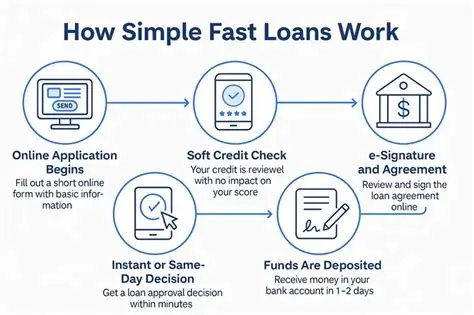
The loan application process is a critical step in securing the necessary funding you may need for a home, business, or personal project. Understanding how to properly navigate this process can significantly enhance your chances of approval through various loans services. The initial step involves filling out a loan application, which typically requires providing detailed information about your financial situation, employment history, and the purpose of the loan. Ensure that you supply accurate and comprehensive data to help lenders assess your creditworthiness.
Once the application is submitted, there will generally be a waiting period during which lenders review your financial background and evaluate your eligibility. During this approval timeframe, it is common for lenders to reach out for additional documentation or clarification regarding the information provided. Be prepared for potential follow-up questions regarding your credit history, income stability, and existing debts. This phase is crucial, as discrepancies or incomplete information could delay or jeopardize the approval of your loan.
In some instances, you may be required to attend interviews or meetings with the lender to discuss your application in further detail. These interviews can provide an opportunity to clarify any uncertainties and give you a chance to underscore your reliability as a borrower. Being punctual and prepared for these discussions can leave a positive impression on the lender, subsequently increasing the likelihood of receiving favorable terms on your loan. Moreover, understanding what to expect throughout the application process can help alleviate any anxieties and equip you with the knowledge needed to make informed decisions.
In conclusion, a structured approach to the loan application process, alongside utilizing various loans services, can lead to a successful outcome. By remaining organized and proactive in providing necessary information, you will create a smoother experience from application to approval.
What Happens After Approval?
Once you have secured your loan through reputable loans services, the next steps are critical to ensuring a smooth financial experience. The first stage post-approval involves reviewing the loan agreement. It is essential to carefully read the terms and conditions outlined in this document. The agreement typically includes interest rates, repayment terms, and potential fees. Understanding these elements can help you avoid unexpected costs and ensure that the loan aligns with your financial plans.
After you have thoroughly reviewed the agreement and accepted the terms, the disbursement process begins. This is the phase where the funds will be transferred to you or the designated recipient, depending on the nature of the loan. It is important to confirm when and how the funds will be made available to you, whether through a direct deposit to your bank account or a check sent through the mail. Clear communication with your loan provider ensures that there are no delays.
Alongside the disbursement process, it is also vital to know your repayment schedule and obligations. Lenders typically provide a payment plan that outlines the frequency and amount of payments due. Understanding this schedule is crucial for managing your finances effectively and avoiding any penalties. It is advisable to set reminders or automate payments to ensure you meet your obligations in a timely manner. Failure to do so can adversely affect your credit score, especially if the loans services report missed payments.
In conclusion, navigating the post-approval phase involves a thorough understanding of your loan agreement, a clear grasp of the disbursement process, and awareness of your repayment responsibilities. Taking these steps will help you manage your loan effectively and maintain a positive financial trajectory.
Managing Your Loan Responsibly
Once you have secured loans services and received the funds, managing your loan responsibly becomes critical. Proper management is essential not only to protect your financial health but also to ensure that you maintain a positive credit score. Here are some strategies to help you manage your loan effectively.
Timely payments should be your foremost focus. Missing payments can lead to late fees, increased interest rates, and potential damage to your credit report. To avoid falling into this trap, set up automatic payments or reminders for each due date. Make sure you choose a payment plan that aligns with your paycheck schedule to ease the process of regular payment.
Budgeting is another vital component of managing loans services. Create a detailed budget that includes your income, expenses, and loan repayments. This practice will help you allocate funds for your monthly payments and avoid overspending in other areas. By being proactive in this manner, you can set aside money specifically for loan repayment, making it easier to fulfill your obligations.
Moreover, understanding the terms of your loan agreement is crucial. Being aware of the interest rates, payment schedule, and any penalties associated with late payments can help you make informed decisions. Should you find yourself facing financial difficulties, it’s always best to communicate with your lender. Many lending institutions offer options such as deferment or loan modification to help borrowers in distress.
The consequences of defaulting on a loan can be severe, including legal action from lenders or a significant drop in your credit score. Therefore, prioritizing your loan repayment is essential not only for keeping a stable financial footing but also for maintaining access to future loans services. Ultimately, responsible loan management can pave the way for better financial opportunities down the road.
Resources for Financial Assistance
Securing a loan can be a complex process, and understanding the various loans services available to you is crucial. Fortunately, numerous resources exist to assist potential borrowers in navigating this landscape. Financial advisors play a key role in helping individuals assess their financial situations and guiding them towards the most suitable loan options.
Additionally, credit counseling services are invaluable. These organizations provide expertise on managing debt, improving credit scores, and understanding loan terms. By building a relationship with a credit counselor, borrowers can acquire personalized advice tailored to their unique circumstances, thereby enhancing their ability to secure favorable loans services.
Informational websites also serve as excellent platforms for individuals looking to educate themselves further about loans. Many websites offer comprehensive guides on various loan types, interest rates, and application processes. Resources such as the Consumer Financial Protection Bureau (CFPB) provide borrowers with tools and insights to make informed decisions regarding loans. Furthermore, platforms that compare loan options can help users find the best rates and terms available in the market.
For those who may be facing financial challenges, local community organizations often provide support and resources. Many of these organizations offer workshops and one-on-one consultations. These services can empower borrowers to understand their financial health better and explore potential loans services that meet their needs.
In conclusion, leveraging these resources can significantly improve your understanding of the loan process and empower you to make more informed financial choices. Whether consulting with a financial advisor, engaging with credit counseling services, or exploring informational websites, these tools are essential for navigating loans successfully.