
Swift and Easy Loan Options for Your Financial Needs
September 17, 2026
Loan in the United States
September 18, 2026
What is Refinancing?
Refinancing refers to the process of obtaining a new mortgage loan to replace an existing one, typically to secure better terms. Homeowners often consider refinancing their loans for a variety of reasons, the most common being to benefit from lower interest rates. When interest rates in the market decline, homeowners may find that refinancing can reduce their monthly mortgage payments, allowing them to save money over the loan’s lifespan.
Additionally, refinancing can provide access to home equity, enabling homeowners to tap into the increased value of their property. This can be particularly advantageous when funds are needed for renovations, consolidating debt, or other financial goals. Borrowers may also refinance to change their loan type, such as moving from an adjustable-rate mortgage (ARM) to a fixed-rate mortgage, which offers more predictable monthly payments.
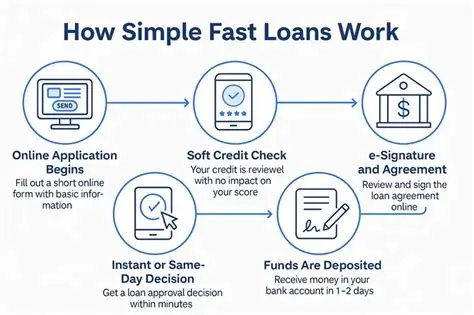
The refinancing process involves several steps. Initially, homeowners must assess their current mortgage conditions and financial situation to determine if refinancing is beneficial. They then shop around for lenders to compare rates and terms. Once a suitable lender is selected, the homeowner submits an application, including necessary financial documentation. The lender performs a credit check and underwriting process, leading to loan approval or denial.
After approval, the new loan payoff process commences, where the proceeds from the new loan are used to settle the existing mortgage debt. Homeowners must also consider associated costs, commonly known as closing costs, which can influence the overall financial benefit of refinancing. Addressing these factors can aid homeowners in making informed decisions regarding their refinancing options and ultimately achieving their financial objectives.
Types of Home Loans Available
When considering home financing, it is essential to be aware of the diverse types of home loans available in the USA. Each loan type caters to different financial situations, needs, and eligibility criteria, making it vital for potential homeowners to grasp the nuances associated with each option.
One common type is the fixed-rate mortgage, which offers borrowers a constant interest rate throughout the life of the loan. This option provides stability as monthly payments remain predictable, making budgeting more manageable. Fixed-rate mortgages typically come in various term lengths, with 15 and 30 years being the most prevalent. However, the downside can be higher initial interest rates compared to adjustable-rate mortgages.
Conversely, adjustable-rate mortgages (ARMs) have interest rates that fluctuate periodically based on broader market conditions. Initially, ARMs tend to offer lower rates than fixed-rate mortgages, making them attractive for many buyers. However, the predictability of payments may diminish over time because of potential increases in the interest rate, which could lead to higher monthly payments down the road.
Another popular option is the Federal Housing Administration (FHA) loan, designed for individuals with lower credit scores or smaller down payments. FHA loans allow borrowers to take out loans with as little as 3.5% down, making home ownership more accessible. On the other hand, these loans require mortgage insurance premiums, which can increase overall costs.
Veterans Affairs (VA) loans are tailored for eligible veterans, active-duty service members, and certain members of the National Guard and Reserves. A significant advantage of VA loans is that they generally require no down payment or private mortgage insurance (PMI), making them a highly favorable option for qualified individuals. However, there are specific eligibility criteria and fees associated with this type of loan.
In addition to these options, there are also several other home loan types, including USDA loans, which assist rural homebuyers, and jumbo loans, used for properties exceeding conventional loan limits. Each loan type has its advantages and potential drawbacks, making it crucial for borrowers to conduct thorough research before committing to a home loan type that best meets their needs.
The Benefits of Refinancing a Home Loan
Refinancing a home loan can offer homeowners significant financial advantages that are often worth considering. One primary benefit is the opportunity to secure lower interest rates. When interest rates in the market decline, homeowners can refinance their existing loans to lock in these lower rates, which effectively reduces their monthly payments and overall interest costs over the life of the loan. For instance, a homeowner with a $300,000 mortgage at a 4.5% interest rate might save substantial amounts simply by refinancing to a loan with a 3.5% interest rate.
Changing loan terms is another compelling reason for refinancing. Homeowners may wish to alter the length of their mortgage depending on their current financial situation. For example, switching from a 30-year term to a 15-year term typically allows homeowners to pay off their debt faster while also benefitting from lower total interest costs. Conversely, a borrower seeking more manageable monthly payments might extend their loan term, thus decreasing the payment burden.
Additionally, refinancing can serve as a tool for debt consolidation. Homeowners can consolidate high-interest debt, such as credit card balances or personal loans, by incorporating it into their mortgage. This can streamline repayments and save money on interest, turning multiple debt obligations into a single, more manageable payment. For instance, merging $20,000 of high-interest debt into a refinanced home loan could lower overall interest rates significantly.
Another benefit of refinancing lies in its potential to finance home improvements. Homeowners may tap into their home’s equity acquired over the years by refinancing to secure funds for renovations or upgrades. A newly renovated kitchen or bathroom can not only improve livability but also increase the property value significantly. Through these avenues, it is clear that refinancing can be a strategic move for homeowners, facilitating financial flexibility and empowerment.
Understanding the Refinancing Process
Refinancing a home loan is a significant financial decision that involves several systematic steps. Understanding this process can equip homeowners with the knowledge required to navigate it efficiently and effectively.
The initial stage in refinancing is the loan application. Homeowners must gather relevant financial documents, including income verification, existing loan information, and proof of assets. This documentation enables lenders to assess the homeowner’s financial stability and needs. It is advisable to shop around and compare rates from various lenders to find the most favorable terms based on the individual’s situation.
Following the submission of the loan application, lenders typically conduct a credit check. This step is crucial as it determines the borrower’s creditworthiness and impacts the interest rates offered. Homeowners should check their credit reports beforehand, ensuring any discrepancies are rectified prior to applying. Maintaining a healthy credit score will facilitate better loan terms and overall success in the refinancing process.
Next, an appraisal is generally required to evaluate the current market value of the home. This assessment helps lenders know their risk levels based on the homeowner’s equity. An accurate appraisal supports the refinancing process, reinforcing the homeowner’s position and aligning with the agreed loan amount.
Closing costs are another consideration in refinancing. Typically, these costs encompass various fees associated with processing the loan, such as attorney fees, title insurance, and recording fees. Homeowners should be prepared for these costs, which may range from 2% to 5% of the loan amount. Understanding this financial aspect is vital as it can affect the overall savings achieved through refinancing.
In conclusion, familiarity with the steps involved in refinancing a home loan—loan application, credit checks, appraisals, and closing costs—can empower homeowners to make informed financial decisions. Successful refinancing is not just about securing better rates but also involves meticulous preparation and awareness of associated costs.
Potential Risks of Refinancing
Refinancing a mortgage can offer several benefits, such as lower interest rates and reduced monthly payments. However, it is essential to acknowledge the potential risks involved in refinancing that may outweigh these benefits. Understanding these downsides helps borrowers make informed decisions regarding their home loan services.
One notable risk associated with refinancing is the costs that come along with the process. Homeowners must often pay various fees, including application fees, appraisal costs, and closing costs. These costs can accumulate quickly and may negate the financial advantages gained from a lower interest rate. Consequently, borrowers should thoroughly evaluate these expenses to ensure that refinancing aligns with their financial goals.
Another critical factor to consider is the risk of foreclosure. If a borrower refinances and subsequently faces financial difficulties, they may struggle to meet the new payment obligations. This situation can lead to missed payments, damage to credit scores, and ultimately the threat of foreclosure. It is vital for borrowers to have a realistic understanding of their financial stability before committing to a new mortgage agreement.
Additionally, refinancing can sometimes extend the overall term of the loan. While this might result in lower monthly payments, it could lead to paying more interest over the life of the loan. Homeowners may end up sacrificing long-term financial health for short-term relief. It is crucial to analyze how a potential extension of the loan term could impact overall mortgage costs.
In conclusion, despite the attractive benefits of refinancing, homeowners must navigate these risks carefully. By considering the associated costs, the potential for foreclosure, and the implications of extending their loan terms, borrowers can make better decisions that align with their financial objectives.
How to Choose the Right Lender for Refinancing
Choosing the right lender for refinancing is a critical step in the mortgage process that can significantly affect your financial future. There are multiple factors to consider when evaluating potential lenders, each of which can impact the overall cost and experience of your refinancing journey.
One of the primary elements to assess is the interest rate offered by the lender. The interest rate will determine your monthly payments and the amount of interest you will pay over the life of the loan. It is advisable to compare rates from multiple lenders to ensure you secure the best deal possible. Additionally, consider whether the rate is fixed or adjustable, as this can affect your long-term financial planning.
Customer service is equally important when selecting a lender for refinancing. The refinancing process can often be complex, requiring clear communication and support from your lender. Research online reviews, ask for referrals, and evaluate how responsive potential lenders are to your questions. A lender who provides exceptional customer service can make the refinancing experience much smoother and less stressful.
Loan terms should also be carefully reviewed. This encompasses not only the length of the loan but also any fees associated with refinancing. Understanding how various loan terms can affect your monthly payments and the total amount paid over time is essential. Look for transparency in fee structures and ensure you are aware of any hidden costs that could arise during the refinancing process.
Finally, the reputation of the lender is crucial. Lenders that have a strong track record in the industry are often more reliable and trustworthy. Verification through online research, regulatory bodies, and industry ratings can provide insights into the reliability and efficiency of a potential lender. By considering these factors—interest rates, customer service, loan terms, and the lender’s reputation—you can make a well-informed decision when choosing a lender for refinancing.
Current Trends in Home Loan Services
The home loan market in the United States has been witnessing significant shifts in recent years, influenced by various economic factors and changes in consumer behavior. Understanding these trends is crucial for potential homeowners and those considering refinancing. One of the most notable trends has been the fluctuation in interest rates. Recently, the Federal Reserve’s monetary policy has prioritized controlling inflation, leading to periodic adjustments in interest rates which directly impact mortgage rates. Lower rates often encourage refinancing, allowing homeowners to secure better terms, while higher rates can deter borrowers from taking on new loans.
Furthermore, lending practices have evolved to reflect changing market dynamics. Lenders are becoming more flexible in their requirements, often looking beyond traditional credit scores to assess a borrower’s eligibility. This shift aims to broaden access to home financing, especially for first-time homebuyers or those with less-than-perfect credit histories. In addition to this, there has been a rise in the incorporation of technology in the loan application and approval process, streamlining operations for lenders and borrowers alike. Digital platforms are now commonplace, allowing for quicker responses and greater transparency throughout the lending process.
Economic factors, such as job growth and overall consumer confidence, also play a pivotal role in shaping the home loan landscape. As employment rates rise and wages increase, potential buyers are more likely to feel secure in making major financial decisions like purchasing a home. Consequently, many consumers are capitalizing on refinancing opportunities to lock in lower monthly payments or to consolidate debt. Overall, navigating the current trends in home loan services requires awareness of these fluctuating interest rates, innovative lending practices, and the broader economic context affecting affordability and access to financing options.
Frequently Asked Questions about Refinancing
Refinancing can be a complex process for homeowners, and many have questions about various aspects of it. Below, we address some of the most common inquiries regarding home loans and refinancing to provide clarity to prospective borrowers.
1. What is refinancing? Refinancing involves obtaining a new home loan to replace the original mortgage. Homeowners pursue this option to benefit from lower interest rates, change loan terms, or tap into home equity for cash. Refinancing can result in reduced monthly payments or significant savings over the life of the loan.
2. Who is eligible for refinancing? Eligibility for refinancing generally depends on factors such as credit score, income, and the amount of equity in the home. Typically, lenders prefer applicants with a credit score of at least 620, although some programs may accept lower scores. Having enough equity ensures that you can either reduce the principal of your loan or convert some of it into cash.
3. When should I consider refinancing? Homeowners might consider refinancing when interest rates drop significantly from when they first secured their mortgage, or if their financial situation has improved, allowing them to qualify for a better deal. It is also advisable to refinance to remove private mortgage insurance (PMI) once sufficient equity is built up.
4. What costs are associated with refinancing? Refinancing generally comes with costs such as closing fees, which can range from 2% to 5% of the loan amount. However, these expenses can be rolled into the new loan amount or offset by the savings from reduced monthly payments over time.
In conclusion, understanding the various elements of refinancing can assist homeowners in making informed decisions about their mortgage options. By addressing these common questions, individuals can approach the refinancing process with greater confidence and clarity.
Conclusion: Making an Informed Decision on Refinancing
In this exploration of refinancing and home loan services, we have highlighted various significant factors that borrowers should consider. The refinancing process can offer potential benefits such as lower monthly payments, reduced interest rates, or access to home equity. However, it is essential to conduct a thorough assessment of individual circumstances and market conditions before proceeding.
One of the key points discussed is the importance of evaluating both the pros and cons of refinancing. While the advantages may seem appealing, such as saving money over time or consolidating debts, drawbacks exist, including fees, potentially extending the loan term and the impact on credit scores. A detailed comparison of current mortgage terms against new options can assist in determining whether refinancing is a financially sound choice.
Additionally, seeking professional advice from financial advisors, mortgage specialists, or real estate professionals is highly recommended. These experts can provide tailored insights based on your unique financial situation and help navigate the complexities associated with refinancing and home loan services. Their expertise can be particularly valuable in understanding the implications of changing interest rates, assessing market trends, and identifying the most advantageous refinancing options available.
Ultimately, making an informed decision regarding refinancing requires careful consideration, diligent research, and a clear understanding of one’s financial goals. By weighing all factors and consulting with knowledgeable professionals, homeowners can make choices that best fit their long-term financial strategies. Remember, refinancing is not just a procedural task; it’s a powerful tool that can shape your financial future when approached wisely.