

Understanding Loans Based on Financial Need in the USA: Types and Options
October 4, 2025
What credit score do you need for an RV loans in California
October 4, 2025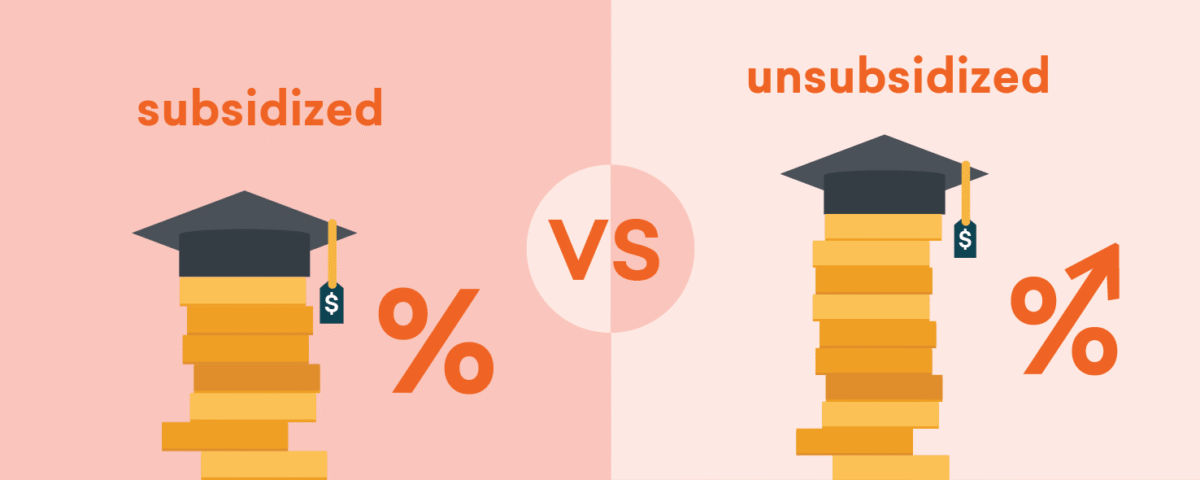
Subsidized vs Unsubsidized Loans: What’s the Difference?
When it comes to financing your education, understanding the types of loans available is crucial to making the right choice for your financial future. Among the most common types of federal student loans are subsidized and unsubsidized loans. These loans are offered by the U.S. Department of Education and help cover the costs of your higher education, but there are some significant differences between the two.
In this blog post, we’ll break down the differences between subsidized and unsubsidized loans in simple, human-friendly language. We’ll explore the key features, eligibility requirements, interest rates, repayment terms, and how each loan type can affect your finances over the long term.
What Are Subsidized and Unsubsidized Loans?
Before diving into the specifics, let’s define both types of loans briefly:
- Subsidized Loans: These are federal loans offered to undergraduate students who demonstrate financial need. The key feature of subsidized loans is that the government pays the interest while the student is in school at least half-time, during the grace period, and during deferment periods.
- Unsubsidized Loans: These loans are also offered by the federal government, but they are not based on financial need. Both undergraduate and graduate students can qualify, and the borrower is responsible for paying the interest at all times, including when in school, during grace periods, and deferment periods.
Key Differences Between Subsidized and Unsubsidized Loans
While both subsidized and unsubsidized loans come from the same place—the U.S. Department of Education—they differ in several important aspects. Let’s take a closer look.
1. Eligibility Requirements
- Subsidized Loans: Only undergraduate students with financial need are eligible for subsidized loans. To qualify for a subsidized loan, you must complete the Free Application for Federal Student Aid (FAFSA) and demonstrate that your family’s financial resources are insufficient to cover the cost of your education. Your school will determine how much you are eligible to borrow based on your financial need.
- Unsubsidized Loans: These loans are available to both undergraduate and graduate students, and you don’t need to demonstrate financial need to qualify. Like subsidized loans, you still need to complete the FAFSA, but your eligibility will be determined by factors like your cost of attendance, year in school, and dependency status rather than your financial need.
2. Interest Rates
- Subsidized Loans: The interest rate for subsidized loans is fixed and set by the federal government. As of the latest rates for the 2023-2024 academic year, the interest rate for undergraduate subsidized loans is 4.99%. The key advantage is that, while you’re in school, the government pays the interest on the loan. This means that when you graduate, the principal loan balance will be the same as it was when you took out the loan, assuming you didn’t accrue interest during school.
- Unsubsidized Loans: Unsubsidized loans also have a fixed interest rate, but the rate may be slightly higher than subsidized loans. For the 2023-2024 academic year, the interest rate for undergraduate unsubsidized loans is 4.99%, while for graduate students, it’s 6.54%. The key difference is that, unlike subsidized loans, you are responsible for paying the interest on the loan from the moment the loan is disbursed, including while you’re in school.
3. Interest Payments
- Subsidized Loans: The federal government covers the interest payments on subsidized loans while you’re in school and during certain periods like deferment or a six-month grace period after you graduate. This can save you a lot of money because the loan won’t accrue interest during these periods.
- Unsubsidized Loans: You are responsible for paying the interest on unsubsidized loans at all times, including while you are in school, during the grace period, and during deferment periods. If you don’t pay the interest while in school, it will be capitalized (added to the principal balance), which means you will end up paying interest on the interest.
4. Loan Limits
- Subsidized Loans: The amount you can borrow with a subsidized loan is limited by your financial need and your school’s cost of attendance. Typically, undergraduate students are eligible for lower borrowing limits in comparison to unsubsidized loans. For example, first-year students may be eligible to borrow up to $3,500, depending on their dependency status and the cost of their school.
- Unsubsidized Loans: The loan limits for unsubsidized loans are higher than for subsidized loans and are not based on financial need. The amount you can borrow depends on your year in school and your dependency status. For example, dependent undergraduate students can borrow up to $5,500 for their first year, with the total limit increasing in subsequent years.
5. Repayment Terms
- Subsidized Loans: Since the government pays the interest while you’re in school and during deferment periods, the repayment terms for subsidized loans tend to be more favorable for students. After graduation, you will have a six-month grace period before you must start repaying the loan.
- Unsubsidized Loans: Unsubsidized loans come with the same six-month grace period after graduation, but because interest is accruing while you’re in school, the balance will be higher when you start repaying. Additionally, you can choose to defer payments while in school, but the interest will continue to accrue.
6. Availability for Graduate Students
- Subsidized Loans: Subsidized loans are available only to undergraduate students. Once you’ve completed your undergraduate degree, you won’t be able to receive subsidized loans for graduate school.
- Unsubsidized Loans: Unsubsidized loans are available to both undergraduate and graduate students. Graduate students often rely on unsubsidized loans for additional funding, as they are not eligible for subsidized loans.
7. Loan Forgiveness
- Subsidized Loans: If you work in a qualifying job, you may be eligible for Public Service Loan Forgiveness (PSLF) or other forgiveness programs, where the government cancels some or all of your remaining loan balance after a certain number of years of qualifying payments.
- Unsubsidized Loans: The same Public Service Loan Forgiveness and other forgiveness programs apply to unsubsidized loans. However, since the interest is not subsidized, the loan balance could be higher, meaning you may have more to repay even with forgiveness programs.
Which Loan is Right for You?
Choosing between subsidized and unsubsidized loans depends on your financial need, degree program, and long-term financial goals. Here’s a quick guide to help you decide:
- Subsidized Loans: These are the better option if you qualify, as they have lower interest costs in the long run. If you have financial need and are an undergraduate student, subsidized loans are ideal because the government pays your interest while you’re in school.
- Unsubsidized Loans: If you don’t qualify for subsidized loans or if you are a graduate student, unsubsidized loans are your best bet. While they don’t offer the same benefits as subsidized loans, they still offer relatively low-interest rates compared to private loans, and they provide flexibility for funding your education.
Both subsidized and unsubsidized loans are excellent resources for paying for your education, but understanding the differences between them is key to managing your finances effectively. If you qualify for subsidized loans, they should be your first choice, as they offer the advantage of the government covering your interest while you’re in school.
On the other hand, unsubsidized loans are still a good option, especially for graduate students or those who don’t meet the eligibility requirements for subsidized loans. Regardless of which loan you choose, it’s essential to be mindful of your repayment plan and how interest will accumulate over time.
Before taking out any loan, make sure you explore all your financial aid options, including scholarships, grants, and work-study opportunities, to minimize your debt burden and make your educational journey as affordable as possible.
Frequently Asked Questions (FAQ) – Subsidized vs. Unsubsidized Loans
1. What is the main difference between subsidized and unsubsidized loans?
The main difference is that subsidized loans are based on financial need, and the government pays the interest while you’re in school. In contrast, unsubsidized loans are available regardless of financial need, and you are responsible for the interest at all times, including while you’re in school.
2. Who is eligible for subsidized loans?
Subsidized loans are available to undergraduate students who demonstrate financial need. To qualify, you must complete the Free Application for Federal Student Aid (FAFSA), and your school will determine your eligibility based on your financial situation.
3. Can I get a subsidized loan if I’m a graduate student?
No, subsidized loans are only available to undergraduate students. Graduate students are not eligible for subsidized loans but can borrow unsubsidized loans.
4. How does the interest work on subsidized loans?
For subsidized loans, the government pays the interest while you’re in school, during your grace period, and during deferment periods. This means the loan amount doesn’t grow while you’re studying, making it more affordable in the long run.
5. How does the interest work on unsubsidized loans?
On unsubsidized loans, you are responsible for the interest at all times, including while you’re in school. If you don’t pay the interest while in school, it will be added to the loan principal (capitalized), increasing the total amount you need to repay.
6. Which type of loan has a lower interest rate?
Both subsidized and unsubsidized loans generally have the same interest rate for undergraduate students. For the 2023-2024 academic year, both types of loans have an interest rate of 4.99% for undergraduates. However, graduate unsubsidized loans have a higher interest rate, typically 6.54%.
7. Can I defer repayment on subsidized loans?
Yes, subsidized loans offer a six-month grace period after you graduate, leave school, or drop below half-time enrollment. During this time, you don’t need to make payments, and the government continues to cover the interest.
8. Can I defer repayment on unsubsidized loans?
Yes, unsubsidized loans also offer a six-month grace period after graduation. However, because you are responsible for the interest during this time, the interest will continue to accumulate, and if left unpaid, it will be added to the loan balance.
9. How much can I borrow with subsidized loans?
The amount you can borrow with subsidized loans depends on your financial need, school costs, and year in school. For example, first-year students can borrow up to $3,500, while the amount increases for each year of study.
10. How much can I borrow with unsubsidized loans?
The amount you can borrow with unsubsidized loans depends on your year in school and whether you are a dependent or independent student. For example, dependent undergraduate students can borrow up to $5,500 in the first year, with the limit increasing as you progress in your studies.
11. Can I get both subsidized and unsubsidized loans?
Yes, you can receive both subsidized and unsubsidized loans as long as you meet the eligibility requirements for each. For example, you might be eligible for a subsidized loan based on your financial need and receive additional unsubsidized loans to cover the rest of your tuition.
12. Are subsidized loans better than unsubsidized loans?
In most cases, subsidized loans are better because the government pays the interest while you’re in school, reducing your overall debt. Unsubsidized loans are a good option if you don’t qualify for subsidized loans, but they can result in a higher total loan balance because interest accumulates from the day the loan is disbursed.
13. Can I use subsidized or unsubsidized loans to pay for graduate school?
Subsidized loans are only available to undergraduate students, while unsubsidized loans are available to both undergraduate and graduate students. Graduate students can take out unsubsidized loans to cover their educational costs.
14. How long do I have to repay a subsidized or unsubsidized loan?
The standard repayment term for both subsidized and unsubsidized loans is typically 10 years. However, depending on your financial situation, you may qualify for other repayment options, such as income-driven repayment plans or extended repayment plans.
15. What happens if I don’t repay my subsidized or unsubsidized loan on time?
Failure to repay your loan on time can result in default and damage your credit score. For subsidized loans, the interest will still be covered by the government during periods of deferment or grace, but for unsubsidized loans, unpaid interest will accumulate and increase your loan balance.
Read More:
- Understanding Loans Based on Financial Need in the USA: Types and Options
- How to Get Approved for a Personal Loan in North Carolina
- Understanding Small Business Loan Interest Rates in Ohio and How to Secure One
- How to Apply for Student Loan Forgiveness After 20 Years
- Can You Get a Personal Loan if You’re Self-Employed?