
Navigating the Car Buying Process with a Pre-Approved Loan in Ohio
September 2, 2026
Complete List of Student Loan Servicers in the United States: A 2026 Guide
September 4, 2026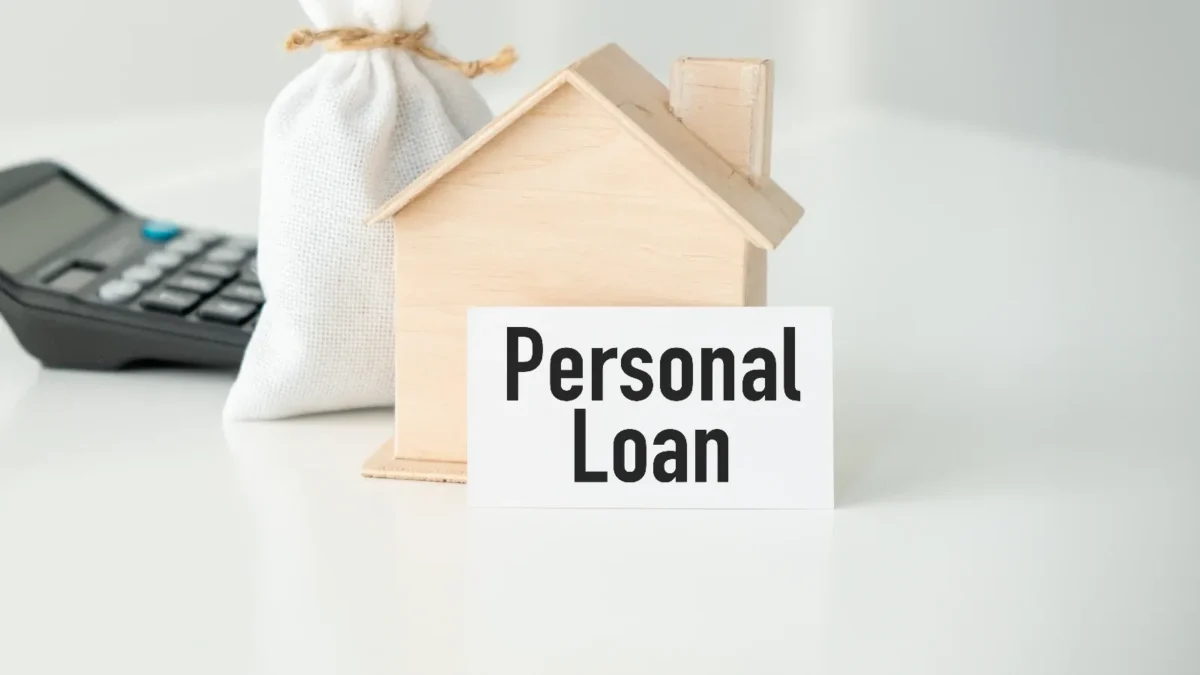
A personal loan can affect your credit score in several ways, beginning before you are approved and continuing throughout the repayment period. For some borrowers, responsible use of a personal loan can support a stronger credit profile. For others, applying for too much credit, missing payments, or taking on unaffordable debt can hurt their credit.
Understanding how a personal loan affects your credit can help you make better borrowing decisions. The impact generally depends on factors such as the lender’s credit inquiry, your payment history, the amount of new debt you take on, your overall credit profile, and how consistently you manage the loan.
This guide explains what happens to your credit from the moment you apply for a personal loan through the final payment.
What Is a Personal Loan?
A personal loan is a type of installment loan that allows you to borrow a specific amount of money and repay it over a predetermined period.
Unlike a credit card, which typically provides revolving credit, a personal loan usually has:
- A fixed loan amount
- A specified repayment term
- Regular monthly payments
- An interest rate
- A defined payoff date
Borrowers may use personal loans for various purposes, including debt consolidation, home improvements, major purchases, unexpected expenses, or other eligible needs.
The loan itself does not automatically improve or damage your credit. How you apply for and manage the loan is what matters most.
How Does a Personal Loan Affect Your Credit Score?
A personal loan can influence several aspects of your credit profile.
The most important factors generally include:
- The credit inquiry when you apply
- The opening of a new credit account
- Your payment history
- Your outstanding debt
- Your credit mix
- The age of your accounts
- The loan’s eventual payoff
Some effects may be temporary, while others can influence your credit profile for a longer period.
1. Applying for a Personal Loan
The first potential impact occurs when you apply for a loan.
Many lenders conduct a credit check as part of the application process. If the lender performs a hard inquiry, the inquiry can appear on your credit report and may temporarily affect your credit score.
A hard inquiry is different from a soft credit check.
Hard Credit Inquiry
A hard inquiry generally occurs when a lender reviews your credit as part of a credit application. It may have a small, temporary effect on your score.
Soft Credit Inquiry
A soft inquiry may occur when you check your own credit or when a lender provides certain prequalification information. Soft inquiries generally do not affect your credit score.
Before submitting an application, ask the lender whether the prequalification process involves a soft or hard inquiry.
2. Multiple Loan Applications Can Matter
Shopping for a personal loan does not necessarily mean your credit will be damaged significantly, but submitting numerous applications in a short period can result in multiple hard inquiries.
Each lender may have its own credit-check process and scoring treatment.
Instead of applying randomly to many lenders, consider researching:
- Interest rates
- Loan terms
- Fees
- Minimum credit requirements
- Loan amounts
- Prequalification options
- Repayment flexibility
Where available, prequalification can allow you to compare potential offers without immediately proceeding with a full application.
3. A New Personal Loan Appears on Your Credit Report
After approval, the lender typically reports the new account to one or more credit bureaus.
Your credit report may show information such as:
- Original loan balance
- Account opening date
- Monthly payment history
- Current balance
- Payment status
- Account status
Opening a new account can affect your credit profile because you have added a new debt obligation.
Your credit score may experience a temporary change as the new account is added.
However, the long-term impact depends largely on how you manage the loan.
4. Your Credit Mix May Improve
Credit scoring models may consider the variety of credit accounts in your profile.
For example, your credit report might include:
- Credit cards
- Personal loans
- Auto loans
- Student loans
- Mortgages
A personal loan is generally an installment account, while credit cards are revolving accounts.
If you have primarily used revolving credit, successfully managing an installment loan could add variety to your credit profile.
However, you should not take out a personal loan solely to improve your credit mix. Borrowing money creates an obligation to repay it, including interest and potentially fees.
5. Payment History Is One of the Most Important Factors
Once your personal loan is active, your monthly payments become particularly important.
Making payments on time can help demonstrate responsible credit management.
On the other hand, late or missed payments can negatively affect your credit history.
For this reason, borrowers should make sure the monthly payment comfortably fits within their budget before accepting a loan.
Consider setting up:
- Automatic payments
- Calendar reminders
- Bank alerts
- A dedicated repayment budget
These simple strategies can help reduce the chance of accidentally missing a payment.
How Late Payments Can Hurt Your Credit
A missed payment does not necessarily have the same consequences at every stage.
Lenders may have specific policies regarding late payments, fees, and reporting. Once a payment becomes sufficiently delinquent to be reported to the credit bureaus, it can negatively affect your credit history.
More serious delinquencies can have a larger impact.
If you believe you may miss a payment, contact the lender as soon as possible rather than ignoring the situation.
6. Your Debt Level Changes
When you take out a personal loan, your total debt increases.
For example, suppose you borrow $15,000.
Initially, your credit report may show a new installment balance of approximately $15,000, subject to how the lender reports the account and any applicable fees.
A higher outstanding debt balance can affect your overall financial profile.
However, unlike credit card utilization, installment-loan balances are evaluated differently by credit scoring systems.
As you repay the loan, your outstanding balance generally declines.
7. Paying Down the Loan Can Strengthen Your Credit Profile
Consistently reducing your personal loan balance demonstrates that you are managing the debt responsibly.
For example:
Loan begins: $15,000
After several months: $12,000
Later: $7,000
Near payoff: $2,000
Final payment: $0
The declining balance reflects progress toward repayment.
The most important factor, however, remains making required payments as agreed.
8. Paying Off a Personal Loan
The final payment does not mean the account disappears immediately from your credit history.
After the loan is paid off, the account may be reported as closed with a zero balance.
This can be positive because it shows that you successfully completed the repayment obligation.
However, closing an installment account can also change the composition of your credit profile.
For example, if the personal loan was your only installment account, paying it off could change your credit mix.
That does not mean you should keep unnecessary debt simply to maintain a particular credit profile. Paying off a loan can be financially beneficial because it eliminates the remaining interest and monthly obligation.
Can Paying Off a Personal Loan Lower Your Credit Score?
It is possible for your credit score to change after paying off a personal loan.
Some borrowers may see a small temporary decrease, while others may see little or no change.
Why can this happen?
Closing the account may change factors such as:
- Credit mix
- Average account age
- Outstanding balances
- Active installment accounts
Credit scoring is complex, and different scoring models can respond differently.
A temporary score change does not necessarily mean paying off your loan was a bad financial decision.
In most cases, you should evaluate loan payoff based on your overall financial situation rather than trying to maintain a particular credit score at all costs.
Personal Loans and Credit Utilization
Credit utilization is particularly important for revolving accounts such as credit cards.
For example, if you have a $10,000 credit-card limit and owe $8,000, your utilization is 80%.
A personal loan is different because it is generally an installment account rather than revolving credit.
Some borrowers use personal loans to consolidate credit-card debt. If the credit-card balances are paid down as part of the consolidation, their revolving utilization may decrease.
This can potentially help their credit profile.
However, debt consolidation only works as intended if the borrower avoids rebuilding unaffordable credit-card balances after taking out the loan.
Can a Personal Loan Improve Your Credit Score?
Yes, responsible management of a personal loan can potentially contribute to a stronger credit profile.
Potential benefits include:
Consistent Payment History
Making every payment on time establishes a record of responsible repayment.
Reduced Credit-Card Utilization
If the loan is used to consolidate credit-card debt and the balances remain low afterward, revolving utilization may improve.
Greater Credit Mix
An installment loan can diversify the types of accounts in your credit profile.
Demonstrated Financial Responsibility
Successfully completing the loan can add positive payment history to your credit report.
However, these benefits are not guaranteed, and the impact varies by individual credit profile and scoring model.
Can a Personal Loan Hurt Your Credit Score?
Yes. Several situations can have negative consequences.
Applying for Too Many Loans
Multiple hard inquiries may affect your credit profile.
Missing Payments
Late payments can damage your payment history.
Taking on Too Much Debt
A loan payment that is difficult to afford can increase financial stress and the risk of missed payments.
Closing Credit Accounts After Consolidation
If you use a personal loan to pay credit cards and then close several accounts, changes to your credit history and available revolving credit can affect your profile.
Rebuilding Credit-Card Debt
If you consolidate debt but continue spending heavily on your credit cards, you could end up with both the personal-loan payment and new credit-card balances.
Personal Loan Example: How Credit Can Change Over Time
Consider a borrower who takes out a $10,000 personal loan.
Before Applying
The borrower has:
- Several credit cards
- A stable payment history
- Moderate credit utilization
- No recent loan applications
During the Application
The lender performs a hard credit inquiry.
The borrower may experience a small temporary score change.
After Approval
The new personal loan appears on the credit report.
The borrower now has a new installment account and additional debt.
During Repayment
The borrower makes every monthly payment on time.
Over time, the loan balance decreases.
At Payoff
The borrower makes the final payment.
The account is eventually reported as paid and closed, subject to the lender’s reporting practices.
This example illustrates why the impact of a personal loan should be viewed as a process rather than a single credit-score event.
How Long Does a Personal Loan Affect Your Credit?
A personal loan can influence your credit profile throughout its life.
During the application stage, a hard inquiry may have a short-term effect.
Once the account opens, the loan becomes part of your credit history.
Throughout repayment, your payment behavior can influence your credit profile.
After payoff, the account may remain on your credit report according to applicable credit-reporting rules and the bureau’s policies.
The precise duration and impact can vary depending on the information reported and the scoring model being used.
Tips for Protecting Your Credit When Taking a Personal Loan
Borrow Only What You Need
Avoid borrowing more than necessary simply because a lender offers a higher amount.
Choose an Affordable Monthly Payment
Consider the payment alongside rent or mortgage costs, utilities, insurance, credit cards, and other obligations.
Compare Loan Terms
A lower monthly payment may come with a longer repayment period and potentially higher total interest costs.
Check the Fees
Review origination fees, late fees, prepayment terms, and other charges before accepting the loan.
Make Payments on Time
Payment consistency is essential.
Monitor Your Credit Reports
Review your credit reports periodically for inaccurate information, unexpected accounts, or reporting errors.
Avoid Unnecessary Applications
Research lenders and compare potential offers before submitting formal applications.
What If You Cannot Make Your Loan Payment?
Financial circumstances can change unexpectedly.
If you are struggling to make a payment, do not simply stop communicating with the lender.
Contact the lender promptly and ask whether any assistance options are available.
Depending on the lender and circumstances, potential options could include:
- Payment arrangements
- Hardship programs
- Due-date adjustments
- Temporary assistance
Availability varies, so do not assume a particular option will be offered.
The earlier you address a financial problem, the more opportunities you may have to prevent it from becoming a larger issue.
Frequently Asked Questions
Does applying for a personal loan hurt your credit?
A formal application that results in a hard inquiry may temporarily affect your credit score. Checking whether a lender offers prequalification with a soft inquiry can help you compare potential options before submitting a full application.
Will a personal loan increase my credit score?
It can potentially help over time if you consistently make payments as agreed. However, there is no guarantee that your score will increase.
Does paying off a personal loan improve credit?
Successfully paying off a personal loan demonstrates repayment history and eliminates the outstanding balance. However, closing the account can also cause temporary changes to your credit score.
Can a personal loan lower my credit score?
Yes. A hard inquiry, new account, increased debt, or missed payments can negatively affect your credit profile.
Is a personal loan better than a credit card for building credit?
Neither is automatically better. They are different types of credit. A personal loan is generally an installment account, while a credit card is revolving credit. Responsible management of either can contribute to a healthy credit profile.
Final Thoughts
Understanding how a personal loan affects your credit from application to final payment can help you make more informed borrowing decisions.
The process typically begins with a credit inquiry, followed by the opening of a new installment account. During repayment, your payment history becomes especially important. Consistently paying on time can support a healthy credit profile, while missed payments can cause significant problems.
A personal loan may also change your overall debt, credit mix, and credit profile. If used for debt consolidation, it may potentially reduce high credit-card utilization, but only if the underlying spending habits are also addressed.
The most important principle is simple: borrow responsibly and make every payment on time. Before taking out a personal loan, compare lenders, understand the interest rate and fees, calculate the total repayment cost, and make sure the monthly payment fits comfortably within your budget.
Read More: