
Politics is now the No. 1 money worry, financial planners say
December 4, 2025
Unemployment claims after a layoff
December 4, 2025
Buying a car is a big financial commitment. For many Americans, that means taking out an auto loan — and the choice of lender can make a huge difference in monthly payments, total cost, and convenience. But with banks, credit unions, online lenders, and dealer‑based financing all vying for your business, how do you pick the best one for you?
This article walks you through what to look for when evaluating auto loan providers — covering interest rates, credit‑score requirements, flexibility, loan types, and more. Then we highlight several lenders that stand out in 2025, based on their track record, range of offerings, and feedback from borrowers.
What Makes a “Top” Auto Loan Company
Before diving into which companies are leading, it helps to define the criteria that distinguish a high-quality auto loan provider from an average one. These characteristics matter because they directly affect how much you’ll pay — and how smooth the process will be.
Here are the most important factors:
- Competitive interest rates (APR). A low APR reduces how much interest you pay over the life of the loan. Even a seemingly small difference (e.g. 1‑2%) can save you hundreds or thousands of dollars.
- Flexible loan terms and amounts. Good lenders offer a variety of loan durations (e.g. 36–72 months, sometimes longer) and accommodate both new and used vehicles. Some also allow refinance or private‑party purchases.
- Credit‑score inclusivity. The best lenders serve a broad range of credit profiles — from excellent to fair or even poor credit — though rates vary accordingly.
- Pre‑qualification, transparency, and easy application. Online pre‑qualification, clear disclosure of fees and APR before committing, and straightforward application processes help borrowers compare offers safely.
- Reputation for reliability, customer service, and fast processing. Because auto loans involve multiple steps (application, approval, disbursement to dealership), it’s helpful to use a lender that executes reliably and communicates clearly.
- Variety of loan types: new‑car loans, used‑car loans, refinancing, lease buy-outs, private‑party purchases. This flexibility helps as your needs change.
With those criteria in mind, here are several of the top-performing auto loan companies and lenders in the U.S. in 2025.
Top Auto Loan Lenders in the U.S.
Capital One Auto Finance
Capital One is often cited among the best banks for auto loans nationwide.
Why it stands out:
- Underwrites more auto loans than almost any other lender in the U.S. — offering a broad reach and deep experience with many credit profiles.
- Provides a pre‑qualification tool, allowing you to estimate your rate before committing — useful for budgeting and comparison.
- Good for borrowers seeking convenience and reliability from a major banking institution.
Best for: Buyers looking for stable, widely available financing, including those who want to prequalify before visiting a dealership.
Bank of America (BoA)
A widely recognized bank with nationwide presence, Bank of America remains a solid option for auto financing.
Strengths:
- Competitive interest rates for borrowers with good credit — especially for used-car loans via authorized dealerships.
- Convenient online application and pre‑approval processes; rate lock for about 30 days giving time to shop around.
- Discounts for existing customers through rewards or loyalty programs.
Best for: Borrowers with solid credit and bank relationships who prefer a traditional, trusted lender — especially for financed purchases via approved dealerships.
PenFed Credit Union
Among the top credit unions for auto loans, especially when getting favorable rates on new vehicles.
What works for borrowers:
- Some of the lowest advertised rates for new‑car loans in 2025 — making them attractive if you’re buying a brand-new vehicle.
- Loan terms can extend long (e.g. up to 84 months) and offer generous financing limits — sometimes over 100% of car value (helpful if you want to bundle add‑ons or trade-in value).
- As a credit union, they may offer better customer service and potentially lower fees than big banks.
Best for: People buying new cars who want low rates and favorable terms — especially if willing to join the credit union.
Navy Federal Credit Union (NFCU)
Navy Federal remains among the best lenders for used‑car loans.
Advantages:
- Competitive APRs and flexible loan terms, particularly on used vehicles.
- Usually smooth and relatively quick approval processes, with tools for estimating monthly payments and managing loans online.
Best for: Borrowers seeking used‑car financing with a reliable credit‑union lender — often with lower rates than dealership financing or subprime lenders.
LightStream
An online lender that’s frequently recommended for borrowers with good to excellent credit — including those looking for private‑party loans or lease buyouts.
Why you might pick LightStream:
- Good rates for borrowers with strong credit; often lower than subprime lenders or high‑rate financing at dealerships.
- Streamlined application and funding process entirely online — convenient if you prefer digital management rather than visiting a bank or credit union.
Best for: Creditworthy borrowers buying used cars, private party vehicles, or refinancing existing loans — especially for those comfortable with fully online lending.
myAutoLoan (and other loan‑matching marketplaces)
Rather than being a traditional lender, myAutoLoan is a marketplace that connects borrowers to multiple lenders — often useful for comparing offers quickly.
Benefits:
- Lets you shop among multiple lenders at once — enabling comparison of rates, terms, and eligibility based on your credit profile.
- Good option for borrowers with fair or borderline credit who want to explore several offers before committing.
Best for: Buyers — new or used vehicle — who want to shop around and ensure they get the most favorable loan terms possible given their financial profile.
Autopay / Auto Credit Express (for subprime or fair‑credit borrowers)
For buyers with fair or poor credit, or low income, these lenders may provide access to financing where traditional banks or credit unions decline.
Strengths:
- Networks of partner lenders willing to accept borrowers with weaker credit history or lower income.
- Accepts cosigners, making loans accessible to more people.
Caveats:
- Interest rates tend to be higher than prime lenders — meaning higher monthly payments and more interest over time.
- Loan terms may be less favorable, and borrowers should review total cost carefully.
Best for: Individuals with limited or poor credit who need financing but are willing to accept higher rates — sometimes a stepping stone to refinance later if credit improves.
Key Strategies for Choosing the Right Auto Loan
Simply picking the first lender you see can cost you hundreds or thousands over the life of the loan. Instead, consider these best practices to make a smarter choice:
1. Check your credit score first
Your credit score heavily influences your interest rate. Borrowers with good to excellent credit generally get the best rates.
If your credit is fair or lower, be prepared for higher rates — but you can still qualify through certain lenders (e.g. credit unions or subprime‑friendly sources).
2. Pre‑qualify with multiple lenders before shopping for a car
Getting pre‑approved loan offers from at least 2–3 different lenders helps you compare APRs, terms, and monthly payments — and gives you negotiating power at the dealership.
3. Understand the differences between lender types — bank, credit union, online lender, dealership financing
- Banks – often stable and reliable, good if you already bank there. But they may have stricter credit requirements.
- Credit unions – often offer lower rates and better customer service, especially for used‑car financing.
- Online lenders / marketplaces – convenient, flexible, and fast approvals — sometimes better rates for borrowers with fair credit.
- Dealer financing – convenient (apply when buying the car), but often more expensive APRs because dealers mark up rates.
4. Compare loan terms, not just monthly payments
Longer loan terms (e.g. 72–84 months) reduce monthly payments but increase total interest paid. It’s often better to aim for a shorter loan term if possible.
5. Factor in all costs — interest, fees, taxes, insurance, loan origination fees, etc.
Some lenders or dealerships may add fees (origination fees, document fees), or have higher insurance/tax requirements. Make sure to account for everything to understand the real cost.
6. Consider refinancing later if your credit improves
If you accept a subprime or fair‑credit loan initially, you may refinance later once your credit improves.
Some lenders specialize in refinancing and may offer lower rates down the line — giving you a chance to reduce total interest and monthly payments.
Common Mistakes to Avoid When Getting an Auto Loan
Even seasoned buyers can slip up when financing a car. Here are some pitfalls to watch out for — and how to avoid them:
Taking on a loan amount that strains your budget. Make sure monthly payments plus insurance, maintenance, gas fits comfortably in your budget.
Rushing with dealership financing without comparing outside offers. Dealers often mark up rates. Pre‑approval from a bank or credit union can help you negotiate.
Only looking at monthly payments and ignoring total interest paid. Lower monthly payment with long-term loan may cost much more overall.
Applying to too many lenders at once (hard credit pulls). This can temporarily lower your credit score. Instead, pre‑qualify first using soft credit checks if possible.
Ignoring additional costs (insurance, taxes, fees). These add to total cost — not just the vehicle price and interest.
Quick Comparison: Which Lender Fits Which Buyer
| Buyer Profile / Need | Recommended Lender Types / Companies |
|---|---|
| Strong credit, wants lowest possible APR for new or used car | Bank of America, PenFed, Navy Federal, Capital One Auto Finance |
| Buying a new car; wants favorable terms and flexibility | PenFed Credit Union, Capital One Auto Finance, LightStream |
| Buying a used car or private‑party purchase | Navy Federal, LightStream, myAutoLoan marketplace |
| Fair to poor credit / limited income | Auto Credit Express, Autopay, subprime-friendly lenders / marketplaces |
| Wants to prequalify online for easy comparison | LightStream, myAutoLoan, Capital One Auto Finance |
| Wants to refinance later when credit improves | LightStream, PenFed (auto‑refi), credit-unions offering refinancing, refinance-specialist lenders |
Final Thoughts: There’s No One “Best” — Just the Right Fit for You
There isn’t a single auto loan company that is “best for everyone.” What matters is matching a lender to your credit profile, budget, and long-term goals.
If you have strong credit and want to minimize interest costs, a traditional bank or a credit union is likely your best bet. If your credit is shaky, or you need flexibility (private-party purchase, refinancing, used car), online lenders or marketplaces can offer viable options.
And if convenience matters — especially if you’re buying directly from a dealership — getting pre‑approved elsewhere gives you leverage and peace of mind.
The most important step: shop around. Compare at least 2–3 loan offers, examine the full cost (rate, fees, taxes, loan term), and choose the one that meets your financial comfort level rather than just lowest monthly payment.
Here’s a set of frequently asked questions (FAQ) about auto loans in the United States:
1. What is an auto loan?
An auto loan is a type of financing that allows you to borrow money to purchase a car. The loan is typically repaid in monthly installments, with interest, over a set term (usually 36 to 72 months).
2. How do auto loans work?
When you apply for an auto loan, the lender reviews your credit and financial situation to determine your loan amount, interest rate, and repayment terms. Once approved, the lender provides the loan amount to the dealership or seller, and you repay the loan in monthly installments, including interest, until the loan is paid off.
3. What factors affect my auto loan interest rate?
Several factors can influence your interest rate, including:
- Credit score: Higher credit scores generally result in lower interest rates.
- Loan term: Shorter loan terms often have lower rates, though monthly payments are higher.
- Down payment: A larger down payment may lower your rate and the amount you need to finance.
- Vehicle age: New cars typically have lower interest rates compared to used cars.
- Loan amount: Smaller loan amounts may come with higher rates, as they can be riskier for lenders.
4. What is the best way to get a low auto loan rate?
To secure the best rate:
- Check your credit score and improve it if needed before applying.
- Shop around for loan offers from different lenders (banks, credit unions, online lenders).
- Consider prequalification with multiple lenders to compare rates without impacting your credit score.
- Make a larger down payment to reduce the loan amount and show the lender that you’re financially responsible.
5. Can I get an auto loan with bad credit?
Yes, it’s possible to get an auto loan with bad credit, but your interest rate will likely be higher, and your loan options may be more limited. Subprime lenders or dealership financing might be more willing to work with you, but it’s essential to shop around and compare offers.
6. What is the minimum credit score for an auto loan?
The minimum credit score required for an auto loan depends on the lender. Generally:
- Good credit (700 or higher): You’ll likely receive the best interest rates.
- Fair credit (600–699): You may still qualify, but with higher interest rates.
- Poor credit (below 600): You may need to apply to subprime lenders, and expect higher rates.
7. How long should I take out an auto loan for?
Loan terms typically range from 36 to 72 months. A shorter loan term (36–48 months) will result in higher monthly payments but lower overall interest costs. A longer term (60–72 months) lowers monthly payments but increases the total amount of interest paid.
8. What is prequalification for an auto loan?
Prequalification is when a lender reviews your financial information to estimate how much you can borrow and at what interest rate. It’s a soft inquiry, meaning it won’t affect your credit score. Prequalification can help you understand your loan options before committing to a full application.
9. How much can I borrow for an auto loan?
The amount you can borrow depends on several factors:
- Your credit score: The higher your score, the more you may be eligible to borrow.
- Income and debt-to-income ratio: Lenders assess your ability to repay the loan.
- Vehicle value: The price of the car you’re buying also affects the loan amount.
- Down payment: A larger down payment can reduce the amount you need to borrow.
10. What is the difference between an auto loan and a lease?
An auto loan allows you to borrow money to buy a car and eventually own it once the loan is paid off. A lease, on the other hand, is essentially a long-term rental agreement where you pay to use the car for a set period (typically 2–3 years), and at the end of the lease, you either return the car or buy it for a residual price.
11. Can I refinance my auto loan?
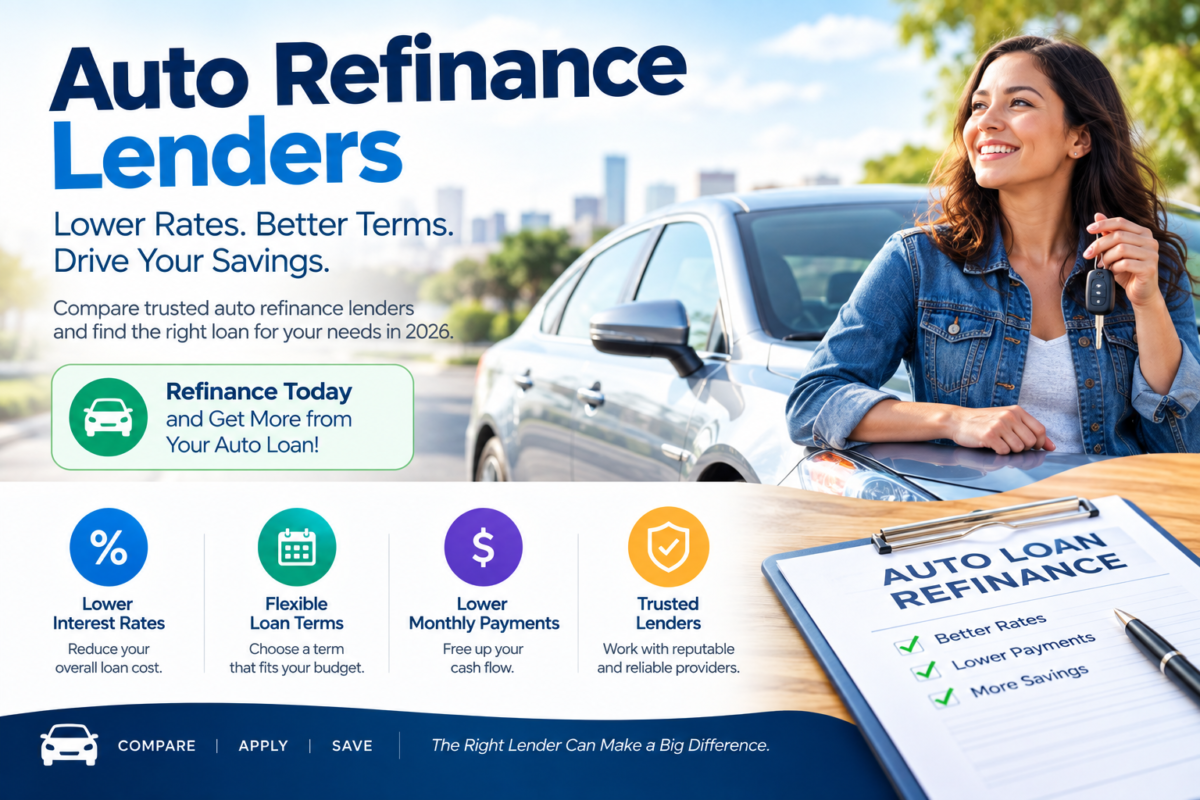
Yes, you can refinance your auto loan if you want to secure a lower interest rate, change the loan term, or reduce your monthly payments. Refinancing can be a good option if your credit has improved since you initially took out the loan, or if interest rates have dropped.
12. What is a down payment on an auto loan?
A down payment is the amount of money you pay upfront when purchasing a car. It reduces the total loan amount and can lower your monthly payments and interest rate. Typically, down payments range from 10% to 20% of the car’s purchase price.
13. What happens if I miss an auto loan payment?
Missing an auto loan payment can have serious consequences:
- Late fees may be charged.
- Your credit score may drop, especially if the payment is reported to credit bureaus.
- Repeated missed payments could lead to the repossession of your vehicle.
It’s crucial to communicate with your lender if you foresee difficulty making a payment.
14. Can I get an auto loan without a credit check?
Some lenders may offer no-credit-check auto loans, typically for borrowers with poor or no credit history. However, these loans often come with higher interest rates and may require a larger down payment. It’s also important to note that these loans may not be available for new or high-value vehicles.
15. Can I get an auto loan for a used car?
Yes, most lenders offer auto loans for both new and used cars. However, interest rates on used-car loans may be slightly higher than on new-car loans, and the loan terms might be shorter. Be sure to shop around for the best rates and terms when buying a used car.
16. What is the difference between a secured and unsecured auto loan?
An auto loan is typically secured, meaning the vehicle serves as collateral for the loan. If you fail to make payments, the lender has the right to repossess the vehicle. Unsecured loans do not require collateral, but they are much rarer in the auto loan market and generally come with higher interest rates.
17. Can I buy a car from a private seller with an auto loan?
Yes, you can use an auto loan to buy a car from a private seller. However, not all lenders offer private-party auto loans. You may need to work with a bank, credit union, or online lender that provides this type of financing.
18. Is it better to get an auto loan from a bank or a dealership?
It depends on your preferences and situation:
- Banks and credit unions generally offer lower interest rates and more flexible terms, but may require a longer approval process.
- Dealership financing is more convenient and may offer special promotions or manufacturer incentives, but can come with higher interest rates and less favorable terms.
It’s best to compare offers from both sources before making a decision.
19. How do I apply for an auto loan?
To apply for an auto loan:
- Check your credit score to know where you stand.
- Determine your budget and how much you can afford to borrow.
- Prequalify with a few lenders to compare rates.
- Choose the car you want to buy and negotiate the price.
- Submit a loan application with the lender of your choice, providing necessary financial documentation (e.g., proof of income, employment history).
- Once approved, finalize the loan and the car purchase.
20. What documents do I need to apply for an auto loan?
Common documents required for an auto loan application include:
- Proof of income (pay stubs, tax returns, or bank statements)
- Proof of identity (driver’s license, Social Security number)
- Proof of residence (utility bills, lease agreement)
- Vehicle information (if you have already selected a car)
Read More:
- Politics is now the No. 1 money worry, financial planners say
- How expiring ACA health insurance subsidies may affect Roth conversions
- Benefits of investing your health savings account
- Why travel insurance may not protect you in the government shutdown
- Planning and Funding Long-Term Care:A Practical Roadmap for Seniors