

Is Renovation Worth It? A Cost–Benefit Analysis for Homeowners
December 2, 2025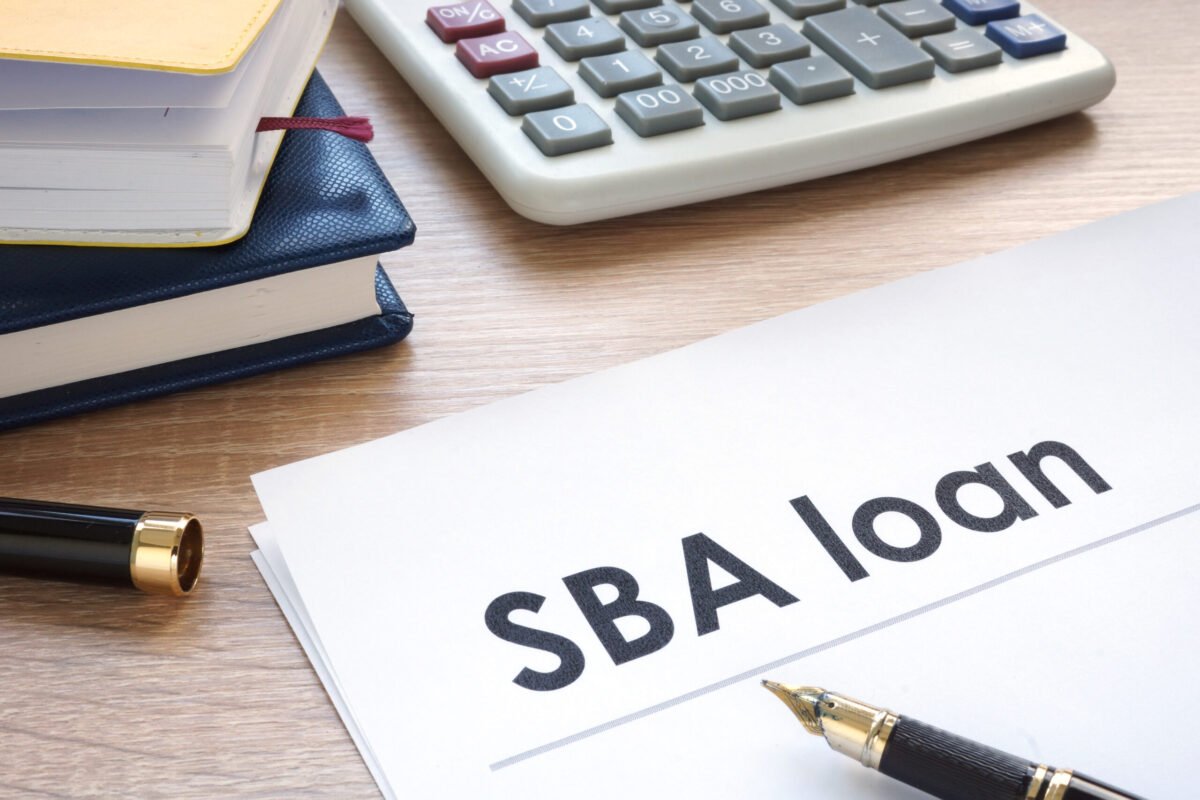
Introduction to SBA Loans
The Small Business Administration (SBA) loans are designed to support entrepreneurs and small business owners in the United States. The overarching purpose of these loans is to foster the growth of small businesses by providing them with access to the necessary financial resources. This enables businesses to start, sustain, or expand their operations, ultimately contributing to economic development and job creation within their communities.
There are several types of SBA loans available, including the popular 7(a) loan, CDC/504 loans, and microloans. The 7(a) loan program is one of the most versatile options, offering funding for various business needs, including working capital, equipment purchases, and real estate acquisitions. CDC/504 loans, on the other hand, are tailored for the purchase of fixed assets like buildings and machinery, with a long-term repayment structure. Microloans provide smaller amounts of capital, typically up to $50,000, making them ideal for startups or businesses requiring minimal funding to expand.
To qualify for an SBA loan, applicants must meet certain criteria, which often include demonstrating a viable business plan, having a reasonable credit score, and contributing a personal investment in the business. It is essential for potential borrowers to assess their eligibility comprehensively, as this affects their chances of securing funding. Additionally, most SBA loans typically require a personal guarantee, a provision where the business owner pledges personal assets in the event of default. Understanding whether “do SBA loans require a personal guarantee” applies in one’s situation is pivotal for all aspiring borrowers in the United States.
What is a Personal Guarantee?
A personal guarantee is a legal commitment made by an individual, typically the business owner, to accept personal responsibility for a loan’s repayment. This means that should the business default on the loan, the lender can pursue the personal assets of the guarantor to recover the outstanding debt. This form of assurance is particularly relevant in the context of Small Business Administration (SBA) loans, where financial institutions often require such guarantees as a means of mitigating risk.
By signing a personal guarantee, the borrower acknowledges that they are fully aware of the financial obligations being assumed. This commitment reinforces the lender’s confidence in the borrower, as it demonstrates a willingness to stand behind the business’s financial commitments. The significance of a personal guarantee becomes even more pronounced for startups and small businesses that may lack established credit histories or sufficient collateral to secure funding. In these cases, lenders view personal guarantees as a critical indicator of the owner’s dedication to the business’s success.
It is important to note that the legal implications of a personal guarantee can be far-reaching. If the borrower defaults, not only can the lender go after the business’s assets, but they can also seize personal assets such as homes, savings, or other investments tied to the guarantor. This level of liability can be intimidating, and prospective borrowers should carefully consider their financial situation before proceeding with an SBA loan that includes such a requirement. Therefore, understanding if SBA loans require a personal guarantee in the United States is essential for anyone seeking financing.
In conclusion, a personal guarantee serves as an important safety net for lenders, ensuring that they have recourse to recover their funds in the event of a default. However, it is crucial for business owners to understand the potential risks and obligations that accompany this commitment.
SBA Loan Requirements Explained
Obtaining a Small Business Administration (SBA) loan involves several specific qualifications and requirements that applicants must adhere to. These criteria are designed to ensure that only financially viable businesses receive funding, ultimately benefiting both the lender and the borrower. One significant aspect of the application process is the expected credit score of applicants. Typically, a minimum personal credit score of around 620 is required, although specific lenders may have varying standards. A higher credit score generally works in favor of the applicant, reflecting strong creditworthiness and a reliable repayment capacity.
Another critical requirement for an SBA loan is a comprehensive business plan. This plan should detail the business’s operational structure, market analysis, and financial projections. Lenders use this document to assess the viability of the business and its intended use of the funds. Clearly outlining how the loan will facilitate growth or stability is essential for securing approval. Additionally, applicants may be required to provide proof of collateral, which serves as a form of security for the lender. Common forms of collateral include real estate, equipment, and inventory.
Furthermore, personal guarantees play a crucial role in the SBA loan approval process. A personal guarantee is essentially a promise made by the owners of the business to assume personal liability for the debt in case of a default. This requirement is prevalent in the United States, as it provides lenders with an additional layer of security. Thus, while do SBA loans require a personal guarantee can vary depending on the lender’s policies, it is a common stipulation for most loans under the SBA umbrella. Understanding the implications of personal guarantees is vital for applicants as they navigate the complexities of the SBA loan process.
Do All SBA Loans Require Personal Guarantees?
When considering the multitude of funding options available, business owners often inquire, “Do SBA loans require a personal guarantee?” Understanding the nuances of this question is essential for potential borrowers navigating the landscape of Small Business Administration (SBA) loans in the United States.
Generally, most SBA loan programs do stipulate that a personal guarantee be provided. This requirement serves to protect lenders by ensuring that borrowers have a vested interest in the success of their business endeavors. A personal guarantee is essentially a promise from an individual, usually the business owner, to repay the loan if the business fails to do so. These guarantees are particularly common for SBA loans, as the administration aims to mitigate risk for lenders while supporting small business growth.
However, not all SBA loans necessitate a personal guarantee. Certain loan structures and programs may provide exemptions based on the borrower’s circumstances. For example, SBA 7(a) loans typically require personal guarantees from individuals owning 20% or more of the business. On the other hand, some loans designed for specific purposes or with specific collateral arrangements might not demand this guarantee. Additionally, special situations might apply, such as when the business is structured as a corporation or LLC, which may influence personal liability.
It is crucial for business owners to fully understand the implications of these guarantees when applying for an SBA loan. Consulting with financial advisors or loan officers can provide further insights tailored to a business’s unique structure and goals. By assessing the requirements of different SBA loan options, borrowers can make informed decisions about their financing strategies. Ultimately, while many types of SBA loans do require a personal guarantee, exceptions exist, making it imperative to thoroughly review the terms and conditions associated with each lending opportunity.
Implications of Personal Guarantees for Borrowers
When individuals consider applying for an SBA loan, they often encounter the need for a personal guarantee. This aspect can carry significant implications for borrowers, fundamentally tying their personal assets and credit to the business debts. One primary consideration is the increased accountability for business debts. In the event of a default on an SBA loan, the lender can pursue personal assets to recover the outstanding debt. This means that if the business fails, personal savings, property, and investments could potentially be at risk.
Another vital implication involves the impact on personal credit scores. Signing a personal guarantee can affect a borrower’s creditworthiness, as failure to fulfill loan obligations may lead to a detrimental mark on their credit report. Such a situation can restrict future borrowing opportunities, not only for business purposes but also for personal necessities, like purchasing a home or acquiring a car. Therefore, while an SBA loan can provide necessary financial relief and foster business growth, the consequences of a default may have long-lasting effects on personal financial health.
Additionally, borrowers should be aware of the legal repercussions that may arise from defaulting on a loan secured by a personal guarantee. Lenders are within their rights to take substantial legal action to recover what is owed, including litigation or liens against personal properties. Moreover, the psychological burden of potentially losing personal assets can weigh heavily on borrowers, adding another layer of complexity to the decision-making process regarding personal guarantees. In light of these considerations, it is essential for borrowers to carefully evaluate whether do SBA loans require a personal guarantee, ensuring that they fully understand the accounted risks and benefits before proceeding.
Alternatives to Personal Guarantees
For many businesses in the United States, the requirement of a personal guarantee when applying for a loan can be a significant barrier. However, there are several financing options available that do not necessitate these guarantees, allowing entrepreneurs to secure funding while minimizing personal risk. Understanding these alternatives can provide business owners with a clearer path to obtaining the financing they need.
One viable option is secured loans that utilize business assets as collateral. This type of loan typically does not require a personal guarantee, as the lender has the assurance that they can recoup their funds through the business assets in case of default. By leveraging equipment, inventory, or real estate, businesses may enhance their chances of receiving funding without the need for a personal commitment. Such loans can be particularly advantageous for established businesses with significant assets.
Another financing route is through lines of credit. Many financial institutions offer business lines of credit that allow companies to draw funds as needed, often without needing personal guarantees, especially for those with solid credit history and strong revenue streams. This flexible funding option can help businesses manage cash flow effectively while avoiding the personal liability that comes with traditional loans.
Grant funding is also an excellent alternative to consider, as these do not require repayment and typically do not demand personal guarantees. Various government and non-profit organizations offer grants to small businesses, especially those in specific industries or underserved markets. While competitive, pursuing grant opportunities can prove beneficial for those looking to avoid personal risk while expanding their operations.
Finally, there are strategies that businesses can employ to minimize personal guarantees when seeking financing. Building strong business credit, demonstrating consistent revenue, and presenting a well-crafted business plan can all help reduce reliance on personal guarantees. In conclusion, while personal guarantees often accompany loans, exploring these alternative financing options can provide significant benefits to businesses looking to maintain their financial independence.
Negotiating Personal Guarantees
When applying for a loan backed by the Small Business Administration (SBA), understanding the intricacies of personal guarantees becomes crucial. Borrowers may find it beneficial to negotiate the terms of their personal guarantees in order to reduce potential liabilities. One effective strategy is to limit the amount of the guarantee. Instead of agreeing to a full personal guarantee that encompasses the entire loan amount, borrowers can discuss the possibility of limiting it to a certain percentage. This allows for a more manageable risk while still providing lenders with the collateral they require.
Additionally, borrowers should consider seeking non-recourse provisions, which can significantly alter the implications of a personal guarantee. A non-recourse provision stipulates that the lender can only pursue the assets backing the loan if the borrower defaults, rather than holding the borrower personally liable. This can enhance the security of one’s personal assets, making it an attractive option for those concerned about potential financial fallout. Borrowers must approach this aspect carefully; discussions should be clear and rooted in an understanding of the lender’s perspective.
Before finalizing any agreements, it is highly advisable for borrowers to seek legal assistance. An attorney familiar with SBA loans can provide invaluable guidance, ensuring that borrowers fully comprehend the terms and implications of the personal guarantees they are considering. Legal professionals can aid in drafting negotiations and help clarify any ambiguities in the language of the contract, ultimately leading to more favorable outcomes. Engaging in thorough negotiations not only minimizes risks associated with the personal guarantee but also empowers borrowers to secure more advantageous terms, resulting in a lending arrangement that aligns with their financial goals.
Real-Life Experiences and Case Studies
Exploring the experiences of entrepreneurs who have obtained SBA loans can provide invaluable insights for prospective borrowers. One compelling case is that of a small business owner, Sarah, who sought an SBA loan to expand her floral shop in a competitive market. Understanding that do SBA loans require a personal guarantee, she proactively prepared her finances and gathered documentation. This foresight paid off; during the application process, she built a strong case that not only showcased her business plan but also her financial stability. Her successful loan application enabled her to double her inventory and significantly increase her customer base.
Another noteworthy example involves a tech startup founded by Michael and his partner. They approached an SBA lender with the intent to secure a loan for developing their software solution. Acknowledging that SBA loans require a personal guarantee in the United States, both founders decided to leverage their personal assets to secure the loan. This decision, while risky, ultimately allowed them to gain access to much-needed funding. However, the experience taught them the importance of creating a business emergency fund to safeguard their personal finances. They now recommend that all new borrowers consider the implications of personal guarantees before proceeding with their SBA loan applications.
Through these diverse stories, it becomes evident that navigating the landscape of SBA loans often involves a steep learning curve. Borrowers who approach their applications with strong organizational skills and a clear understanding of the requirements, including personal guarantees, can significantly enhance their chances of success. The key takeaway for fledgling entrepreneurs is not only to seek funding but also to prepare for the responsibilities that come with leveraging personal assets as guarantees for their business loans.
FAQs About SBA Loans and Personal Guarantees
Many individuals considering SBA loans often have questions regarding personal guarantees and their implications. One common concern is whether do SBA loans require a personal guarantee. Generally, the answer is yes. Most lenders will require personal guarantees, especially for small businesses looking to secure funding. This is primarily because SBA loans are seen as higher risk; hence lenders prefer the assurance that borrowers will be personally liable. By signing a personal guarantee, the borrower agrees to use their personal assets to repay the loan if the business fails to do so.
Another frequently asked question is, “What happens if I fail to repay an SBA loan?” In such instances, the lender has the legal right to pursue the borrower for repayment through their personal assets if a personal guarantee was agreed upon. It is essential for borrowers to be fully aware of this potential risk when applying for an SBA loan, as it can impact personal credit ratings and financial stability. Additionally, questions arise regarding whether all types of SBA loans invoke personal guarantees. While most typical SBA loan programs do include a personal guarantee requirement, there are some circumstances and specialized loan types that may vary.
Prospective borrowers often inquire about alternatives to personal guarantees. In some cases, certain lenders may consider collateral in lieu of a personal guarantee, but this option is limited and highly dependent on the business’s financial situation and creditworthiness. If you are considering an SBA loan and wondering, do SBA loans require a personal guarantee in the United States, understanding the nuances of these guarantees will help clarify the obligations involved.
It is advisable to consult with financial advisors or legal experts who can provide tailored advice, helping borrowers to navigate their options effectively while weighing their risk exposure. This ensures a well-informed decision-making process for both personal and business finances.
FAQs — Do SBA Loans Require a Personal Guarantee in the United States
1. Do SBA loans require a personal guarantee?
Yes. Most SBA loans require at least one personal guarantee. The SBA mandates that anyone who owns 20% or more of the business must personally guarantee the loan.
2. What is a personal guarantee?
A personal guarantee is a legal promise that you, as an individual, will repay the loan if the business cannot. It makes you personally responsible for the debt.
3. Why does the SBA require personal guarantees?
Personal guarantees reduce lender risk and show that business owners are committed to repaying the loan. They help lenders approve loans for small businesses that might not qualify otherwise.
4. Who needs to sign a personal guarantee?
Usually:
- Owners with 20%+ ownership
- Sometimes spouses, if needed to access shared assets
- Key individuals involved in business operations (depending on lender policies)
5. Do all SBA loan programs require personal guarantees?
Most do, including:
- SBA 7(a) loans
- SBA 504 loans
- SBA Microloans (though requirements can vary)
Only a few lender-specific or small-dollar programs might offer exceptions.
6. Can I get an SBA loan without a personal guarantee?
It’s very uncommon. The SBA almost always requires it. Only some microloans or very low-risk loans might avoid personal guarantees, depending on the lender.
7. What is the difference between a limited and unlimited personal guarantee?
- Limited guarantee: You are responsible only for a portion of the debt or under specific conditions.
- Unlimited guarantee: You are responsible for the entire loan amount if the business defaults.
8. Does signing a personal guarantee affect my personal credit?
Your personal credit may be checked during approval. If the business defaults and the guarantee is enforced, it can negatively affect your personal credit score.
9. What personal assets are at risk with a guarantee?
Depending on state laws and the loan agreement, assets such as savings, vehicles, investments, and real estate may be at risk if the loan goes into default.
10. Do I need to provide personal collateral if I give a personal guarantee?
Not always. A personal guarantee does not automatically mean personal collateral is required. However, some lenders may request both, depending on the situation.
11. Can a personal guarantee be removed after the loan is issued?
It’s rare. Guarantees are usually required for the life of the loan. Some lenders may reconsider if the loan is refinanced, largely repaid, or the business shows strong financial improvement.
12. What happens if multiple people sign a personal guarantee?
Guarantors are often jointly and severally liable, meaning the lender can pursue any one of them for the full loan amount, not just their proportional share.
13. How can I protect myself before signing a personal guarantee?
- Thoroughly review the agreement
- Negotiate terms if possible
- Consult a business or finance attorney
- Keep personal finances separate from business finances
- Understand exactly what assets could be at risk
14. Are personal guarantees common for business loans in general?
Yes. Most lenders require personal guarantees for small businesses, especially startups or companies without strong cash flow or collateral.
15. What should I consider before agreeing to a personal guarantee?
Consider your personal financial situation, the business’s likelihood of repayment, the guarantee’s terms, and the risk to your personal assets if the business struggles.
Read More:
- Is Renovation Worth It? A Cost–Benefit Analysis for Homeowners
- How to maximize Trump’s bigger SALT deduction limit for 2025
- Student loan forgiveness notices go out — next steps for borrowers
- Student loan borrowers may qualify for lower bills under IBR change
- What is a Credit Builder Loan? A Detailed Guide to Understanding and Using Credit Builder Loans